



Je cadeautjes zeker op tijd in huis hebben voor de feestdagen? Kom langs in onze winkels en vind het perfecte geschenk!
- Afhalen na 1 uur in een winkel met voorraad
- Gratis thuislevering in België vanaf € 30
- Ruim aanbod met 7 miljoen producten
Je cadeautjes zeker op tijd in huis hebben voor de feestdagen? Kom langs in onze winkels en vind het perfecte geschenk!
- Afhalen na 1 uur in een winkel met voorraad
- Gratis thuislevering in België vanaf € 30
- Ruim aanbod met 7 miljoen producten





€ 43,95
+ 87 punten
Omschrijving
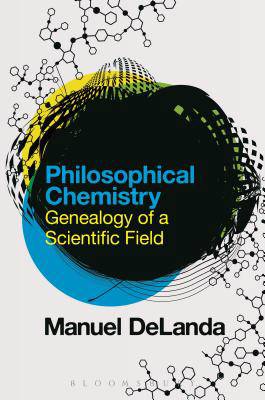
Philosophical Chemistry furthers Manuel DeLanda's revolutionary intervention in the philosophy of science and science studies. Against a monadic and totalizing understanding of science, DeLanda's historicizing investigation traces the centrality of divergence, specialization and hybridization through the fields and subfields of chemistry.
This book creates a model of a scientific field capable of accommodating the variation and differentiation evident in the history of scientific practice. The three chapters deal with one subfield of chemistry in the century in which it was developed: eighteenth-century inorganic chemistry, nineteenth-century organic chemistry, and nineteenth-century physical chemistry. DeLanda proposes a model that is made of three components: a domain of phenomena, a community of practitioners, and a set of instruments and techniques connecting the community to the domain.
Philosophical Chemistry will be essential reading for those engaged in emergent, radical and contemporary strands of thought in the philosophy of science and for those scholars and students who strive to practice a productive dialogue between the two disciplines.
This book creates a model of a scientific field capable of accommodating the variation and differentiation evident in the history of scientific practice. The three chapters deal with one subfield of chemistry in the century in which it was developed: eighteenth-century inorganic chemistry, nineteenth-century organic chemistry, and nineteenth-century physical chemistry. DeLanda proposes a model that is made of three components: a domain of phenomena, a community of practitioners, and a set of instruments and techniques connecting the community to the domain.
Philosophical Chemistry will be essential reading for those engaged in emergent, radical and contemporary strands of thought in the philosophy of science and for those scholars and students who strive to practice a productive dialogue between the two disciplines.
Specificaties
Betrokkenen
- Auteur(s):
- Uitgeverij:
Inhoud
- Aantal bladzijden:
- 248
- Taal:
- Engels
Eigenschappen
- Productcode (EAN):
- 9781474286404
- Verschijningsdatum:
- 17/10/2019
- Uitvoering:
- Paperback
- Formaat:
- Trade paperback (VS)
- Afmetingen:
- 130 mm x 196 mm
- Gewicht:
- 294 g


Alleen bij Standaard Boekhandel
+ 87 punten op je klantenkaart van Standaard Boekhandel
CADEAU


Beoordelingen
We publiceren alleen reviews die voldoen aan de voorwaarden voor reviews. Bekijk onze voorwaarden voor reviews.