



Bedankt voor het vertrouwen het afgelopen jaar! Om jou te bedanken bieden we GRATIS verzending (in België) aan op alles gedurende de hele maand januari.
- Afhalen na 1 uur in een winkel met voorraad
- In januari gratis thuislevering in België
- Ruim aanbod met 7 miljoen producten
Bedankt voor het vertrouwen het afgelopen jaar! Om jou te bedanken bieden we GRATIS verzending (in België) aan op alles gedurende de hele maand januari.
- Afhalen na 1 uur in een winkel met voorraad
- In januari gratis thuislevering in België
- Ruim aanbod met 7 miljoen producten





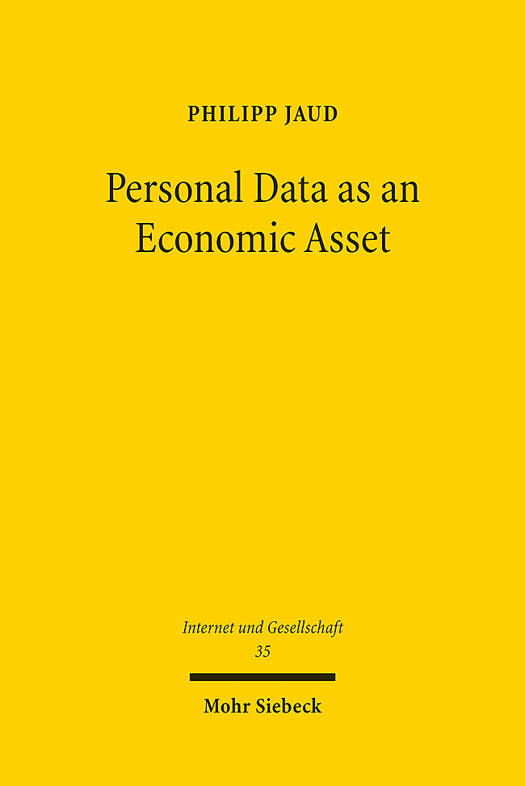
Personal Data as an Economic Asset
Compatibility with the EU Charter of Fundamental Rights
Philipp Jaud
€ 167,95
+ 335 punten
Omschrijving
Philipp Jaud explores the compatibility of personal data as an economic asset with the European Union's Charter of Fundamental Rights. By analysing the nuanced nature of personal data, the contextual interpretation of the Court of Justice of the EU is brought into focus, with the author delving into data monetisation, profiling, and breaches to highlight the variable value of personal data. Emphasising data subjects' rights, ownership debates and proposals for legal frameworks are discussed, while legislative responses and challenges in the digital age are scrutinised and a balanced approach is advocated for. The Charter's applicability to economic data use is explored, underlining fairness, transparency, and consent. The conclusion allows the reader to contemplate the potential alignment of economic data use with the Charter, accentuating individual autonomy within evolving legal frameworks and societal consciousness.
Specificaties
Betrokkenen
- Auteur(s):
- Uitgeverij:
Inhoud
- Aantal bladzijden:
- 265
- Taal:
- Engels
- Reeks:
Eigenschappen
- Productcode (EAN):
- 9783161634062
- Verschijningsdatum:
- 1/08/2024
- Uitvoering:
- Paperback
- Formaat:
- Trade paperback (VS)
- Afmetingen:
- 231 mm x 155 mm
- Gewicht:
- 231 g


Alleen bij Standaard Boekhandel
+ 335 punten op je klantenkaart van Standaard Boekhandel
SOLDEN


Beoordelingen
We publiceren alleen reviews die voldoen aan de voorwaarden voor reviews. Bekijk onze voorwaarden voor reviews.