



Je cadeautjes zeker op tijd in huis hebben voor de feestdagen? Kom langs in onze winkels en vind het perfecte geschenk!
- Afhalen na 1 uur in een winkel met voorraad
- Gratis thuislevering in België vanaf € 30
- Ruim aanbod met 7 miljoen producten
Je cadeautjes zeker op tijd in huis hebben voor de feestdagen? Kom langs in onze winkels en vind het perfecte geschenk!
- Afhalen na 1 uur in een winkel met voorraad
- Gratis thuislevering in België vanaf € 30
- Ruim aanbod met 7 miljoen producten





€ 201,95
+ 403 punten
Uitvoering
Omschrijving
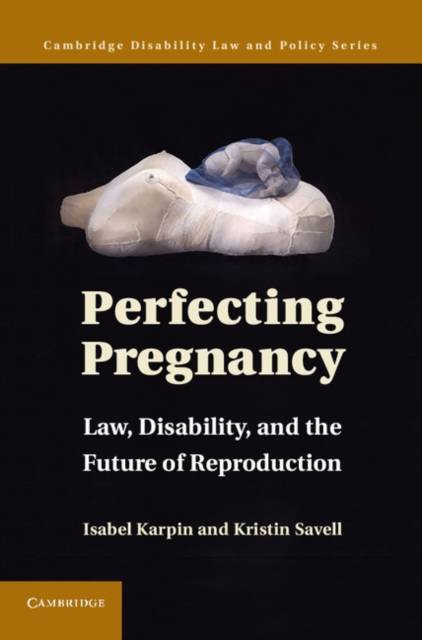
Prenatal and preimplantation testing technologies have offered unprecedented access to information about the genetic and congenital makeup of our prospective progeny. Future developments such as preconception testing, noninvasive prenatal testing, and more extensive preimplantation testing promise to increase that access further still. The result may be greater reproductive choice, but it also increases the burden on women and men to avail themselves of these technologies in order to avoid having a child who has a disability. The overwhelming question for legislators has been whether and, if so, how to regulate the use of these technologies in the face of compelling but seemingly contradictory claims about the advancement of reproductive choice and the dangers of eugenic or discriminatory effects. This book examines the evolution of this legislative oversight across a number of jurisdictions and explores the tensions and ambiguities that inform these laws.
Specificaties
Betrokkenen
- Auteur(s):
- Uitgeverij:
Inhoud
- Aantal bladzijden:
- 394
- Taal:
- Engels
- Reeks:
Eigenschappen
- Productcode (EAN):
- 9780521765206
- Verschijningsdatum:
- 30/03/2012
- Uitvoering:
- Hardcover
- Formaat:
- Ongenaaid / garenloos gebonden
- Afmetingen:
- 155 mm x 229 mm
- Gewicht:
- 657 g


Alleen bij Standaard Boekhandel
+ 403 punten op je klantenkaart van Standaard Boekhandel
CADEAU


Beoordelingen
We publiceren alleen reviews die voldoen aan de voorwaarden voor reviews. Bekijk onze voorwaarden voor reviews.