



Je cadeautjes zeker op tijd in huis hebben voor de feestdagen? Kom langs in onze winkels en vind het perfecte geschenk!
- Afhalen na 1 uur in een winkel met voorraad
- Gratis thuislevering in België vanaf € 30
- Ruim aanbod met 7 miljoen producten
Je cadeautjes zeker op tijd in huis hebben voor de feestdagen? Kom langs in onze winkels en vind het perfecte geschenk!
- Afhalen na 1 uur in een winkel met voorraad
- Gratis thuislevering in België vanaf € 30
- Ruim aanbod met 7 miljoen producten





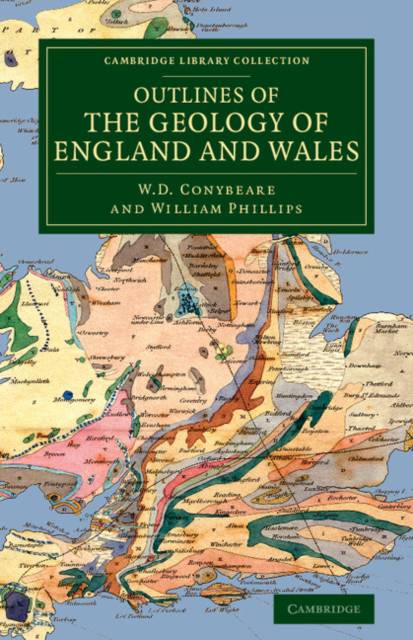
Outlines of the Geology of England and Wales
With an Introductory Compendium of the General Principles of That Science, and Comparative Views of the
W D Conybeare, William Phillips
€ 104,95
+ 209 punten
Omschrijving
In the early nineteenth century, the gifted stratigrapher and amateur geologist William Phillips (1773-1828) gave several lectures to interested young people in Tottenham on the subject of geology. These lectures were later collected into a book, which Phillips expanded in later versions. This reached its peak in 1822 when the clergyman William Daniel Conybeare (1787-1857) collaborated with Phillips to produce this rigorous and improved assessment of the geological composition of England and Wales. Although no second volume was ever published, the book had a tremendous impact on geologists throughout the United Kingdom and Europe, inspiring foreign scholars to produce equivalent volumes about their own countries. Conybeare's concern for the stratigraphy of fossils is especially remarkable for the time. William Fitton, later president of the Geological Society of London, praised the book highly, remarking that 'no equal portion of the earth's surface has ever been more ably illustrated'.
Specificaties
Betrokkenen
- Auteur(s):
- Uitgeverij:
Inhoud
- Aantal bladzijden:
- 558
- Taal:
- Engels
- Reeks:
Eigenschappen
- Productcode (EAN):
- 9781108075107
- Verschijningsdatum:
- 6/11/2014
- Uitvoering:
- Paperback
- Formaat:
- Trade paperback (VS)
- Afmetingen:
- 140 mm x 216 mm
- Gewicht:
- 698 g


Alleen bij Standaard Boekhandel
+ 209 punten op je klantenkaart van Standaard Boekhandel
CADEAU


Beoordelingen
We publiceren alleen reviews die voldoen aan de voorwaarden voor reviews. Bekijk onze voorwaarden voor reviews.