


Bedankt voor het vertrouwen het afgelopen jaar! Om jou te bedanken bieden we GRATIS verzending (in België) aan op alles gedurende de hele maand januari.
- Afhalen na 1 uur in een winkel met voorraad
- In januari gratis thuislevering in België
- Ruim aanbod met 7 miljoen producten
Bedankt voor het vertrouwen het afgelopen jaar! Om jou te bedanken bieden we GRATIS verzending (in België) aan op alles gedurende de hele maand januari.
- Afhalen na 1 uur in een winkel met voorraad
- In januari gratis thuislevering in België
- Ruim aanbod met 7 miljoen producten




Omschrijving
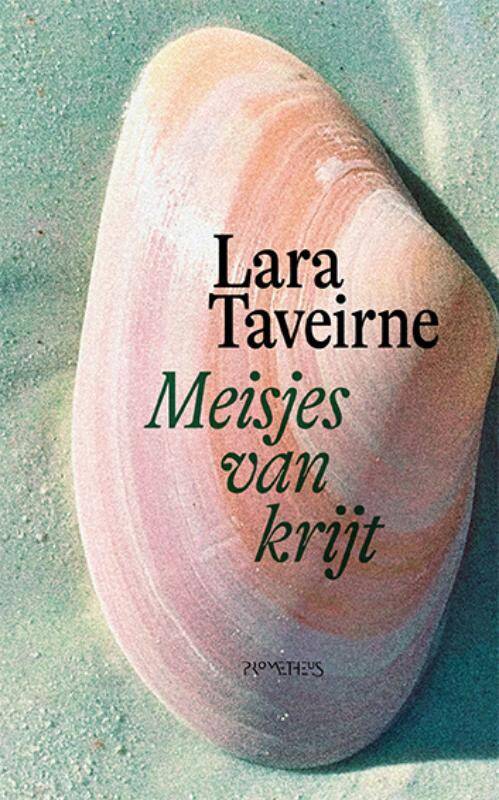
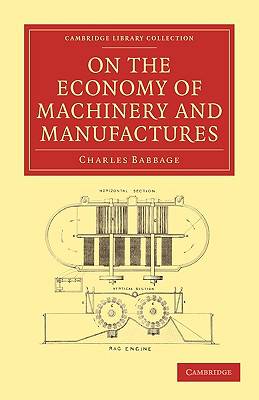
In this famous book, first published in 1832, Charles Babbage (1791-1871), the mathematician, philosopher, engineer and inventor who originated the concept of a programmable computer, surveys manufacturing practices and discusses the political, moral and economic factors affecting them. The book met with hostility from the publishing industry on account of Babbage's analysis of the manufacture and sale of books. Babbage describes the many different printing processes of the time, analyses the costs of book production and explains the publication process, before discussing the 'too large' profit margins of booksellers. Babbage succeeded in his aim 'to avoid all technical terms, and to describe in concise language', making this an eminently readable historical account. His analysis and promotion of mechanisation and efficient 'division of labour' (still known as the 'Babbage principle') continue to resonate strongly for modern industrial engineering.
Specificaties
Betrokkenen
- Auteur(s):
- Uitgeverij:
Inhoud
- Aantal bladzijden:
- 344
- Taal:
- Engels
- Reeks:
Eigenschappen
- Productcode (EAN):
- 9781108009102
- Verschijningsdatum:
- 4/03/2010
- Uitvoering:
- Paperback
- Formaat:
- Trade paperback (VS)
- Afmetingen:
- 140 mm x 216 mm
- Gewicht:
- 435 g


Alleen bij Standaard Boekhandel
+ 69 punten op je klantenkaart van Standaard Boekhandel
SOLDEN


Beoordelingen
We publiceren alleen reviews die voldoen aan de voorwaarden voor reviews. Bekijk onze voorwaarden voor reviews.