



Je cadeautjes zeker op tijd in huis hebben voor de feestdagen? Kom langs in onze winkels en vind het perfecte geschenk!
- Afhalen na 1 uur in een winkel met voorraad
- Gratis thuislevering in België vanaf € 30
- Ruim aanbod met 7 miljoen producten
Je cadeautjes zeker op tijd in huis hebben voor de feestdagen? Kom langs in onze winkels en vind het perfecte geschenk!
- Afhalen na 1 uur in een winkel met voorraad
- Gratis thuislevering in België vanaf € 30
- Ruim aanbod met 7 miljoen producten





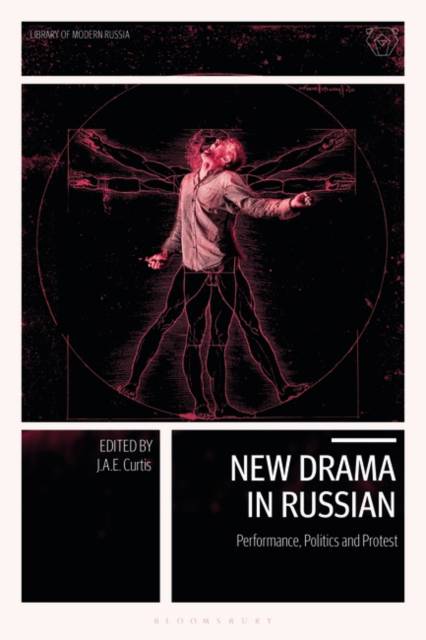
New Drama in Russian
Performance, Politics and Protest in Russia, Ukraine and Belarus
€ 228,95
+ 457 punten
Omschrijving
How and why does the stage, and those who perform upon it, play such a significant role in the social makeup of modern Russia, Ukraine and Belarus? In New Drama in Russian, Julie Curtis brings together an international team of leading scholars and practitioners to tackle this complex question.
New Drama, which draws heavily on techniques of documentary and verbatim writing, is a key means of protest in the Russian-speaking world; since the fall of the Soviet Union in 1991, theatres, dramatists, and critics have collaborated in using the genre as a lens through which to explore a wide range of topics from human rights and state oppression to sexuality and racism. Yet surprisingly little has been written on this important theatrical movement. New Drama in Russian rectifies this. Through providing analytical surveys of this outspoken transnational genre alongside case-studies of plays and interviews with playwrights, this volume sheds much-needed light on the key issues of performance, politics, and protest in Russia, Ukraine and Belarus.
Meticulously researched and elegantly argued, this book will be of immense value to scholars of Russian cultural history and post-Soviet literary studies.
New Drama, which draws heavily on techniques of documentary and verbatim writing, is a key means of protest in the Russian-speaking world; since the fall of the Soviet Union in 1991, theatres, dramatists, and critics have collaborated in using the genre as a lens through which to explore a wide range of topics from human rights and state oppression to sexuality and racism. Yet surprisingly little has been written on this important theatrical movement. New Drama in Russian rectifies this. Through providing analytical surveys of this outspoken transnational genre alongside case-studies of plays and interviews with playwrights, this volume sheds much-needed light on the key issues of performance, politics, and protest in Russia, Ukraine and Belarus.
Meticulously researched and elegantly argued, this book will be of immense value to scholars of Russian cultural history and post-Soviet literary studies.
Specificaties
Betrokkenen
- Uitgeverij:
Inhoud
- Aantal bladzijden:
- 296
- Taal:
- Engels
- Reeks:
Eigenschappen
- Productcode (EAN):
- 9781788313506
- Verschijningsdatum:
- 11/06/2020
- Uitvoering:
- Hardcover
- Formaat:
- Genaaid
- Afmetingen:
- 156 mm x 234 mm
- Gewicht:
- 585 g

Alleen bij Standaard Boekhandel
+ 457 punten op je klantenkaart van Standaard Boekhandel
CADEAU


Beoordelingen
We publiceren alleen reviews die voldoen aan de voorwaarden voor reviews. Bekijk onze voorwaarden voor reviews.