



Je cadeautjes zeker op tijd in huis hebben voor de feestdagen? Kom langs in onze winkels en vind het perfecte geschenk!
- Afhalen na 1 uur in een winkel met voorraad
- Gratis thuislevering in België vanaf € 30
- Ruim aanbod met 7 miljoen producten
Je cadeautjes zeker op tijd in huis hebben voor de feestdagen? Kom langs in onze winkels en vind het perfecte geschenk!
- Afhalen na 1 uur in een winkel met voorraad
- Gratis thuislevering in België vanaf € 30
- Ruim aanbod met 7 miljoen producten





€ 25,99
+ 25 punten
Omschrijving
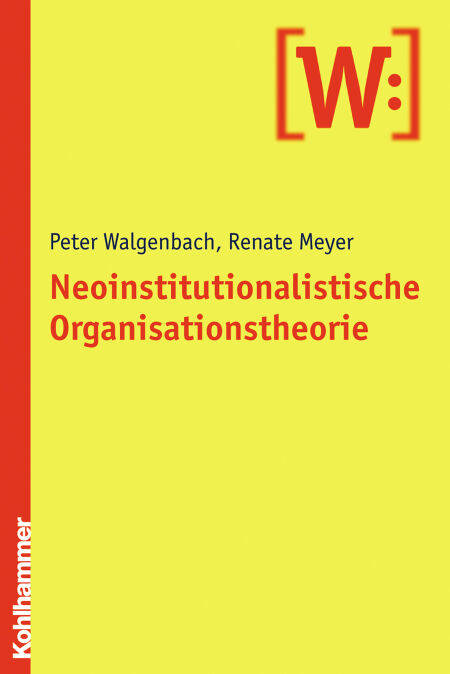
Originating from the American organisational studies the neoinstitutionalist organisational theory is one of the foremost organisational theories. At the centre of this approach lies social embeddedness of Organisations as well as the important role of the social and cultural environment for the legitimacy of organisational structures and practices of management.
The book gives a comprehensive introduction to the basics of neoinstitutionalist organisational theory. Results of the empirical research as well as conceptual developments of the approach are introduced and discussed. Using contemporary problems the varying positions within neoinstitutionalism, potential links to other organisational theories and the range of possible research methods are pointed out and discussed.
The book gives a comprehensive introduction to the basics of neoinstitutionalist organisational theory. Results of the empirical research as well as conceptual developments of the approach are introduced and discussed. Using contemporary problems the varying positions within neoinstitutionalism, potential links to other organisational theories and the range of possible research methods are pointed out and discussed.
Specificaties
Betrokkenen
- Auteur(s):
- Uitgeverij:
Inhoud
- Aantal bladzijden:
- 238
- Taal:
- Duits
Eigenschappen
- Productcode (EAN):
- 9783170270022
- Verschijningsdatum:
- 7/11/2007
- Uitvoering:
- E-book
- Beveiligd met:
- Digital watermarking
- Formaat:
- ePub


Alleen bij Standaard Boekhandel
+ 25 punten op je klantenkaart van Standaard Boekhandel
CADEAU


Beoordelingen
We publiceren alleen reviews die voldoen aan de voorwaarden voor reviews. Bekijk onze voorwaarden voor reviews.