



Je cadeautjes zeker op tijd in huis hebben voor de feestdagen? Kom langs in onze winkels en vind het perfecte geschenk!
- Afhalen na 1 uur in een winkel met voorraad
- Gratis thuislevering in België vanaf € 30
- Ruim aanbod met 7 miljoen producten
Je cadeautjes zeker op tijd in huis hebben voor de feestdagen? Kom langs in onze winkels en vind het perfecte geschenk!
- Afhalen na 1 uur in een winkel met voorraad
- Gratis thuislevering in België vanaf € 30
- Ruim aanbod met 7 miljoen producten





€ 114,95
+ 229 punten
Uitvoering
Omschrijving
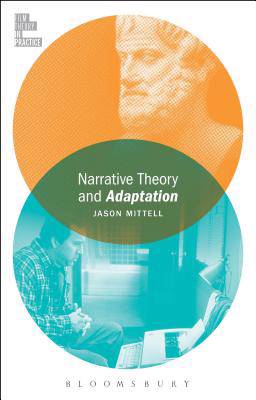
Narrative Theory and Adaptation offers a concise introduction to narrative theory in jargon-free language and shows how this theory can be deployed to interpret Spike Jonze's critically acclaimed 2002 film Adaptation.
Understanding narrative theory is crucial to make sense of the award-winning film Adaptation. The book explicates, in clear prose for beginners, four key facets important to the narrative theory of film: the distinction between practical vs. critical theory, the role of adaptation, the process of narrative comprehension, and notions of authorship. It then works to unlock Adaptation using these four keys in succession, considering how the film demands a theoretical understanding of the storytelling process. In using this unusual case study of a film, the author makes the case for the importance of narrative theory as a general perspective for filmmakers, critics, and viewers alike.
Understanding narrative theory is crucial to make sense of the award-winning film Adaptation. The book explicates, in clear prose for beginners, four key facets important to the narrative theory of film: the distinction between practical vs. critical theory, the role of adaptation, the process of narrative comprehension, and notions of authorship. It then works to unlock Adaptation using these four keys in succession, considering how the film demands a theoretical understanding of the storytelling process. In using this unusual case study of a film, the author makes the case for the importance of narrative theory as a general perspective for filmmakers, critics, and viewers alike.
Specificaties
Betrokkenen
- Auteur(s):
- Uitgeverij:
Inhoud
- Aantal bladzijden:
- 152
- Taal:
- Engels
- Reeks:
Eigenschappen
- Productcode (EAN):
- 9781501308383
- Verschijningsdatum:
- 20/04/2017
- Uitvoering:
- Hardcover
- Formaat:
- Genaaid
- Afmetingen:
- 127 mm x 198 mm
- Gewicht:
- 249 g


Alleen bij Standaard Boekhandel
+ 229 punten op je klantenkaart van Standaard Boekhandel
CADEAU


Beoordelingen
We publiceren alleen reviews die voldoen aan de voorwaarden voor reviews. Bekijk onze voorwaarden voor reviews.