



Bedankt voor het vertrouwen het afgelopen jaar! Om jou te bedanken bieden we GRATIS verzending (in België) aan op alles gedurende de hele maand januari.
- Afhalen na 1 uur in een winkel met voorraad
- In januari gratis thuislevering in België
- Ruim aanbod met 7 miljoen producten
Bedankt voor het vertrouwen het afgelopen jaar! Om jou te bedanken bieden we GRATIS verzending (in België) aan op alles gedurende de hele maand januari.
- Afhalen na 1 uur in een winkel met voorraad
- In januari gratis thuislevering in België
- Ruim aanbod met 7 miljoen producten





€ 53,45
+ 106 punten
Uitvoering
Omschrijving
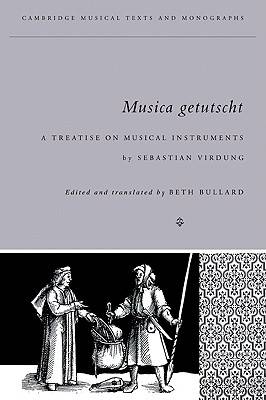
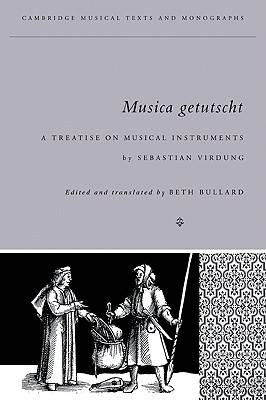
Musica getutscht (Basel, 1511) is the earliest printed treatise on musical instruments in the West. Written by a priest and chapel singer named Sebastian Virdung, it provided rudimentary instruction on playing three instruments: the clavichord, the lute and the recorder. This early 'do-it-yourself' manual of instruction not only tells us about music-making in that era, it also illumines other aspects of society in the years just before the Reformation. Its author communicates in a popular style, choosing a mixture of media: a written text in the guise of an informal conversation, coupled with woodcut illustrations and visual aids. Enthusiasts of early music and its performance as well as historians of art, society and the German language will welcome Beth Bullard's substantial introduction and annotations, which help explain the text of this important work and its place in intellectual history.
Specificaties
Betrokkenen
- Auteur(s):
- Vertaler(s):
- Uitgeverij:
Inhoud
- Aantal bladzijden:
- 292
- Taal:
- Engels
- Reeks:
Eigenschappen
- Productcode (EAN):
- 9780521032773
- Verschijningsdatum:
- 23/04/2007
- Uitvoering:
- Paperback
- Formaat:
- Trade paperback (VS)
- Afmetingen:
- 152 mm x 229 mm
- Gewicht:
- 430 g


Alleen bij Standaard Boekhandel
+ 106 punten op je klantenkaart van Standaard Boekhandel
SOLDEN


Beoordelingen
We publiceren alleen reviews die voldoen aan de voorwaarden voor reviews. Bekijk onze voorwaarden voor reviews.