



Je cadeautjes zeker op tijd in huis hebben voor de feestdagen? Kom langs in onze winkels en vind het perfecte geschenk!
- Afhalen na 1 uur in een winkel met voorraad
- Gratis thuislevering in België vanaf € 30
- Ruim aanbod met 7 miljoen producten
Je cadeautjes zeker op tijd in huis hebben voor de feestdagen? Kom langs in onze winkels en vind het perfecte geschenk!
- Afhalen na 1 uur in een winkel met voorraad
- Gratis thuislevering in België vanaf € 30
- Ruim aanbod met 7 miljoen producten





€ 64,95
+ 129 punten
Uitvoering
Omschrijving
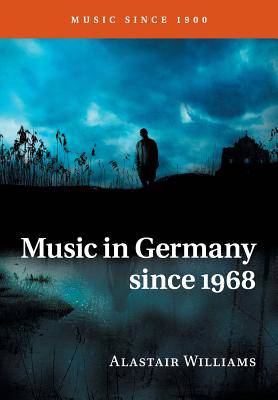
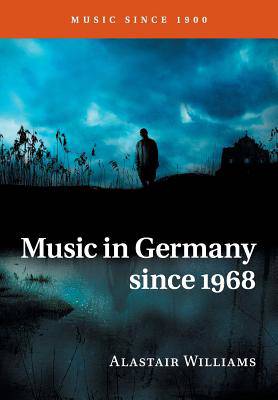
Music in Germany since 1968 modifies the dominant historiography of music in post-war Germany by shifting its axis from the years of reconstruction after 1945 to the era following the events of 1968. Arguing that the social transformations of 1968 led to a new phase of music in Germany, Alastair Williams examines the key topics, including responses to serialism, music and politics, and the re-evaluation of tradition. The book devotes central chapters to Helmut Lachenmann and Wolfgang Rihm, as focal points for areas such as postmodernism, musical semiotics and action-based gestures. Further chapters widen the scope by considering the precursors and contemporaries of Rihm and Lachenmann, especially in relation to the idea of historical inclusion. Williams's study also assesses the development of the Darmstadt summer courses, addresses the significance of German reunification, and considers the role of Germany in a new stage of musical modernism.
Specificaties
Betrokkenen
- Auteur(s):
- Uitgeverij:
Inhoud
- Aantal bladzijden:
- 294
- Taal:
- Engels
- Reeks:
Eigenschappen
- Productcode (EAN):
- 9781316641941
- Verschijningsdatum:
- 2/02/2017
- Uitvoering:
- Paperback
- Formaat:
- Trade paperback (VS)
- Afmetingen:
- 170 mm x 244 mm
- Gewicht:
- 471 g


Alleen bij Standaard Boekhandel
+ 129 punten op je klantenkaart van Standaard Boekhandel
CADEAU


Beoordelingen
We publiceren alleen reviews die voldoen aan de voorwaarden voor reviews. Bekijk onze voorwaarden voor reviews.