



Je cadeautjes zeker op tijd in huis hebben voor de feestdagen? Kom langs in onze winkels en vind het perfecte geschenk!
- Afhalen na 1 uur in een winkel met voorraad
- Gratis thuislevering in België vanaf € 30
- Ruim aanbod met 7 miljoen producten
Je cadeautjes zeker op tijd in huis hebben voor de feestdagen? Kom langs in onze winkels en vind het perfecte geschenk!
- Afhalen na 1 uur in een winkel met voorraad
- Gratis thuislevering in België vanaf € 30
- Ruim aanbod met 7 miljoen producten





€ 172,95
+ 345 punten
Uitvoering
Omschrijving
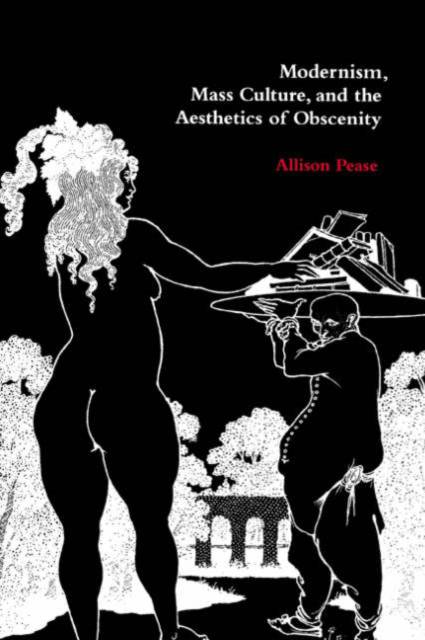
How did explicit sexual representation become acceptable in the twentieth century as art rather than pornography? Allison Pease answers this question by tracing the relationship between aesthetics and obscenity from the 1700s onward, focusing especially on the way in which early twentieth-century writers incorporated a sexually explicit discourse into their work. The book considers the work of Swinburne, Joyce and Lawrence and artist Aubrey Beardsley within the framework of a wide-ranging account of aesthetic theory beginning with Kant and concluding with F. R. Leavis, I. A. Richards and T. S. Eliot.
Specificaties
Betrokkenen
- Auteur(s):
- Uitgeverij:
Inhoud
- Aantal bladzijden:
- 262
- Taal:
- Engels
Eigenschappen
- Productcode (EAN):
- 9780521780766
- Verschijningsdatum:
- 27/07/2000
- Uitvoering:
- Hardcover
- Formaat:
- Genaaid
- Afmetingen:
- 152 mm x 229 mm
- Gewicht:
- 553 g


Alleen bij Standaard Boekhandel
+ 345 punten op je klantenkaart van Standaard Boekhandel
CADEAU


Beoordelingen
We publiceren alleen reviews die voldoen aan de voorwaarden voor reviews. Bekijk onze voorwaarden voor reviews.