



Je cadeautjes zeker op tijd in huis hebben voor de feestdagen? Kom langs in onze winkels en vind het perfecte geschenk!
- Afhalen na 1 uur in een winkel met voorraad
- Gratis thuislevering in België vanaf € 30
- Ruim aanbod met 7 miljoen producten
Je cadeautjes zeker op tijd in huis hebben voor de feestdagen? Kom langs in onze winkels en vind het perfecte geschenk!
- Afhalen na 1 uur in een winkel met voorraad
- Gratis thuislevering in België vanaf € 30
- Ruim aanbod met 7 miljoen producten





Omschrijving
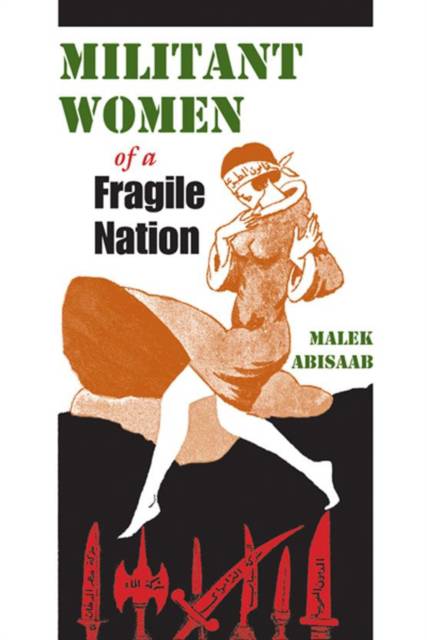
In Militant Women of a Fragile Nation, Malek Abisaab takes a gendered approach to labor conflicts, anti-colonial struggles, and citizenship in modern Lebanon. The author traces the conditions and experiences of women workers at the French Tobacco Monopoly. Challenging the prevailing assumptions about culturally inscribed roles for Middle Eastern women, the book highlights traditions of public activism and militancy among rural women which are in turn adapted to the spaces of the factory. Women employed distinct strategies involving kinship, sectarian, gender, and class ties to enhance their work conditions and social benefits. Drawing on extensive ethnographic data, the author convincingly argues that the condition of women can only be explained by exploring the shifting relationship between culture, societal arrangements, and economic settings. Abisaab's richly detailed work illumi-nates the impact of class and gender in the transformation of modern Lebanon.
Specificaties
Betrokkenen
- Auteur(s):
- Uitgeverij:
Inhoud
- Aantal bladzijden:
- 334
- Taal:
- Engels
- Reeks:
Eigenschappen
- Productcode (EAN):
- 9780815632122
- Verschijningsdatum:
- 30/12/2009
- Uitvoering:
- Hardcover
- Formaat:
- Genaaid
- Afmetingen:
- 160 mm x 234 mm
- Gewicht:
- 612 g


Alleen bij Standaard Boekhandel
+ 152 punten op je klantenkaart van Standaard Boekhandel
CADEAU


Beoordelingen
We publiceren alleen reviews die voldoen aan de voorwaarden voor reviews. Bekijk onze voorwaarden voor reviews.