



Bedankt voor het vertrouwen het afgelopen jaar! Om jou te bedanken bieden we GRATIS verzending (in België) aan op alles gedurende de hele maand januari.
- Afhalen na 1 uur in een winkel met voorraad
- In januari gratis thuislevering in België
- Ruim aanbod met 7 miljoen producten
Bedankt voor het vertrouwen het afgelopen jaar! Om jou te bedanken bieden we GRATIS verzending (in België) aan op alles gedurende de hele maand januari.
- Afhalen na 1 uur in een winkel met voorraad
- In januari gratis thuislevering in België
- Ruim aanbod met 7 miljoen producten





€ 257,95
+ 515 punten
Omschrijving
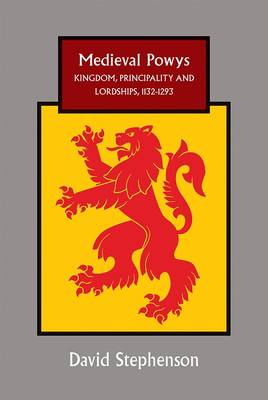
Powys, extending over north-east and central Wales, was one of three great medieval Welsh polities, along with Gwynedd to the north and Deheubarth (south-west), occupying nearly a quarter of the country. However, it has been somewhat neglected by historians, who have tended to dismiss it as a satellite realm of England, and viewed its leaders as obstacles to the efforts of Gwynedd leaders to construct a principality of Wales. This book provides the first full, authoritative history of Powys in the twelfth and thirteenth centuries. It argues in particular that the Powysian rulers were dogged and resourceful survivors in the face of pressure from Welsh rivals and the problems of internal fragmentation; and that, paradoxically, co-operation with the English and intermarriage with marcher families underlay a desire to regain lands to the east lost in earlier centuries. Dr David Stephenson is an Honorary Research Fellow in the School of History, Welsh History and Archaeology, Bangor University.
Specificaties
Betrokkenen
- Auteur(s):
- Uitgeverij:
Inhoud
- Aantal bladzijden:
- 363
- Taal:
- Engels
- Reeks:
- Reeksnummer:
- nr. 35
Eigenschappen
- Productcode (EAN):
- 9781783271405
- Verschijningsdatum:
- 16/09/2016
- Uitvoering:
- Hardcover
- Formaat:
- Genaaid
- Afmetingen:
- 156 mm x 234 mm
- Gewicht:
- 689 g


Alleen bij Standaard Boekhandel
+ 515 punten op je klantenkaart van Standaard Boekhandel
SOLDEN


Beoordelingen
We publiceren alleen reviews die voldoen aan de voorwaarden voor reviews. Bekijk onze voorwaarden voor reviews.