



Je cadeautjes zeker op tijd in huis hebben voor de feestdagen? Kom langs in onze winkels en vind het perfecte geschenk!
- Afhalen na 1 uur in een winkel met voorraad
- Gratis thuislevering in België vanaf € 30
- Ruim aanbod met 7 miljoen producten
Je cadeautjes zeker op tijd in huis hebben voor de feestdagen? Kom langs in onze winkels en vind het perfecte geschenk!
- Afhalen na 1 uur in een winkel met voorraad
- Gratis thuislevering in België vanaf € 30
- Ruim aanbod met 7 miljoen producten





€ 85,45
+ 170 punten
Uitvoering
Omschrijving
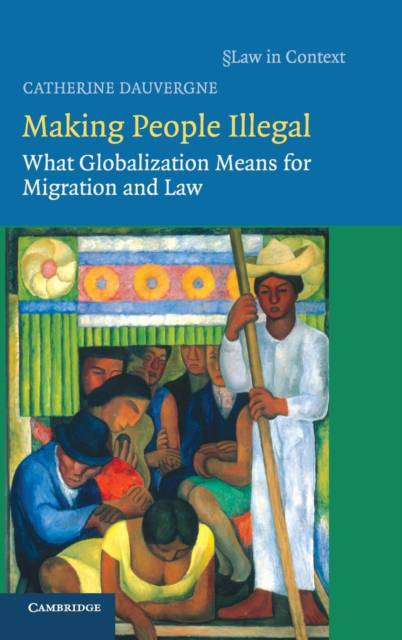
This book examines the relationship between illegal migration and globalization. Under the pressures of globalizing forces, migration law is transformed into the last bastion of sovereignty. This explains the worldwide crackdown on extra-legal migration and informs the shape this crackdown is taking. It also means that migration law reflects key facets of globalization and addresses the central debates of globalization theory. This book looks at various migration law settings, asserting that differing but related globalization effects are discernable at each location. The "core samples" interrogated in the book are drawn from refugee law, illegal labor migration, human trafficking, security issues in migration law, and citizenship law. Special attention is paid to the roles played by the European Union and the United States in setting the terms of global engagement. The book's conclusion considers what the rule of law contributes to transformed migration law.
Specificaties
Betrokkenen
- Auteur(s):
- Uitgeverij:
Inhoud
- Aantal bladzijden:
- 230
- Taal:
- Engels
- Reeks:
Eigenschappen
- Productcode (EAN):
- 9780521895088
- Verschijningsdatum:
- 14/04/2008
- Uitvoering:
- Hardcover
- Formaat:
- Ongenaaid / garenloos gebonden
- Afmetingen:
- 152 mm x 231 mm
- Gewicht:
- 430 g


Alleen bij Standaard Boekhandel
+ 170 punten op je klantenkaart van Standaard Boekhandel
CADEAU


Beoordelingen
We publiceren alleen reviews die voldoen aan de voorwaarden voor reviews. Bekijk onze voorwaarden voor reviews.