


- Afhalen na 1 uur in een winkel met voorraad
- Gratis thuislevering in België vanaf € 30
- Ruim aanbod met 7 miljoen producten
- Afhalen na 1 uur in een winkel met voorraad
- Gratis thuislevering in België vanaf € 30
- Ruim aanbod met 7 miljoen producten




€ 34,95
+ 69 punten
Omschrijving
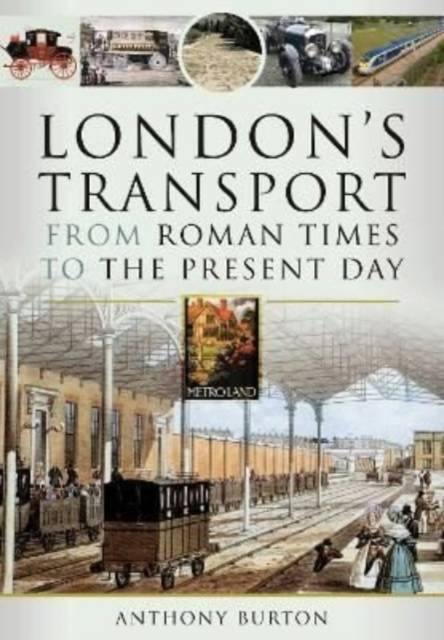
Transport systems are the lifeblood of all great cities and this is certainly true of London. As far back as Roman times, their city Londinium was the hub of a network of roads leading out to all the major centers of the time. It was the Romans who gave the city its first bridge across the Thames and its first paved roadways. This book tells the story of London's roads and bridges and the vehicles that used them. For centuries, transport meant horse drawn vehicles, from lumbering wagons to elegant carriages and the city had a flourishing industry, building carriages. The Industrial Revolution brought major changes, not least in the construction of more and more bridges over the Thames. In the 19th century a new system appeared with the arrival of the railways, and the many stations that are such prominent features of the cityscape. The story continues into the 20th century, when, for a time, the city was also home to some pioneering motor car manufacturers, such as Vauxhall. It comes nearer our time with the construction of the underground railway and the driverless trains of the Dockland Light Railway. Londoners will have a chance to find out just how travel around the city has changed in the last two thousand years.
Specificaties
Betrokkenen
- Auteur(s):
- Uitgeverij:
Inhoud
- Aantal bladzijden:
- 184
- Taal:
- Engels
Eigenschappen
- Productcode (EAN):
- 9781399085861
- Verschijningsdatum:
- 15/09/2022
- Uitvoering:
- Hardcover
- Formaat:
- Genaaid
- Afmetingen:
- 180 mm x 253 mm
- Gewicht:
- 739 g


Alleen bij Standaard Boekhandel
+ 69 punten op je klantenkaart van Standaard Boekhandel
AANGERADEN


Beoordelingen
We publiceren alleen reviews die voldoen aan de voorwaarden voor reviews. Bekijk onze voorwaarden voor reviews.