



Je cadeautjes zeker op tijd in huis hebben voor de feestdagen? Kom langs in onze winkels en vind het perfecte geschenk!
- Afhalen na 1 uur in een winkel met voorraad
- Gratis thuislevering in België vanaf € 30
- Ruim aanbod met 7 miljoen producten
Je cadeautjes zeker op tijd in huis hebben voor de feestdagen? Kom langs in onze winkels en vind het perfecte geschenk!
- Afhalen na 1 uur in een winkel met voorraad
- Gratis thuislevering in België vanaf € 30
- Ruim aanbod met 7 miljoen producten





€ 198,95
+ 397 punten
Omschrijving
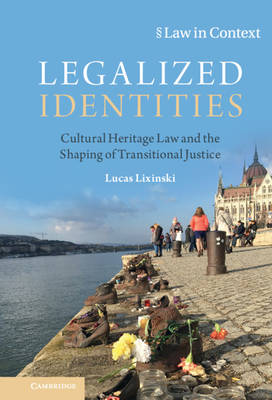
Cultural heritage is a feature of transitioning societies, from museums commemorating the end of a dictatorship to adding places like the Auschwitz-Birkenau concentration camp to the World Heritage List. These processes are governed by specific laws, and yet transitional justice discourses tend to ignore law's role, assuming that memory in transition emerges organically. This book debunks this assumption, showing how cultural heritage law is integral to what memory and cultural identity is possible in transition. Lixinski attempts to reengage with the original promise of transitional justice: to pragmatically advance societies towards a future where atrocities will no longer happen. The promise in the UNESCO Constitution of lasting peace through cultural understanding is possible through focusing on the intersection of cultural heritage law and transitional justice, as Lixinski shows in this ground-breaking book.
Specificaties
Betrokkenen
- Auteur(s):
- Uitgeverij:
Inhoud
- Aantal bladzijden:
- 250
- Taal:
- Engels
- Reeks:
Eigenschappen
- Productcode (EAN):
- 9781108488150
- Verschijningsdatum:
- 8/04/2021
- Uitvoering:
- Hardcover
- Formaat:
- Genaaid
- Afmetingen:
- 152 mm x 229 mm
- Gewicht:
- 503 g


Alleen bij Standaard Boekhandel
+ 397 punten op je klantenkaart van Standaard Boekhandel
CADEAU


Beoordelingen
We publiceren alleen reviews die voldoen aan de voorwaarden voor reviews. Bekijk onze voorwaarden voor reviews.