



Je cadeautjes zeker op tijd in huis hebben voor de feestdagen? Kom langs in onze winkels en vind het perfecte geschenk!
- Afhalen na 1 uur in een winkel met voorraad
- Gratis thuislevering in België vanaf € 30
- Ruim aanbod met 7 miljoen producten
Je cadeautjes zeker op tijd in huis hebben voor de feestdagen? Kom langs in onze winkels en vind het perfecte geschenk!
- Afhalen na 1 uur in een winkel met voorraad
- Gratis thuislevering in België vanaf € 30
- Ruim aanbod met 7 miljoen producten





€ 68,95
+ 137 punten
Omschrijving
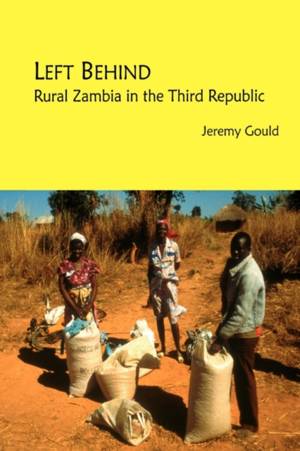
Left Behind: Rural Zambia in the Third Republic seeks to identify persistent obstacles associated with integrating rural producers into the national economy. The analysis draws primarily on studies of the southern Luapula plateau. The economic citizenship of rural Zambians is an end in itself, but it also helps secure their democratic participation in defining the means and ends of the nation's development. Small-scale farmers have generally lost out on both counts. For all of its much-touted 'potential', agriculture remains a back-breaking, unrewarding and uncertain livelihood for most Zambians, much as it was at independence forty-five years ago. The findings presented here demonstrate how government officials, chiefs and MPs are often distracted by concerns related more to their own, rather than their constituencies' fortunes. When will rural Zambians find the means to have their voice heard in the corridors of power?
Specificaties
Betrokkenen
- Auteur(s):
- Uitgeverij:
Inhoud
- Aantal bladzijden:
- 160
- Taal:
- Engels
Eigenschappen
- Productcode (EAN):
- 9789982997249
- Verschijningsdatum:
- 31/12/2010
- Uitvoering:
- Paperback
- Formaat:
- Trade paperback (VS)
- Afmetingen:
- 152 mm x 229 mm
- Gewicht:
- 244 g


Alleen bij Standaard Boekhandel
+ 137 punten op je klantenkaart van Standaard Boekhandel
CADEAU


Beoordelingen
We publiceren alleen reviews die voldoen aan de voorwaarden voor reviews. Bekijk onze voorwaarden voor reviews.