



Bedankt voor het vertrouwen het afgelopen jaar! Om jou te bedanken bieden we GRATIS verzending (in België) aan op alles gedurende de hele maand januari.
- Afhalen na 1 uur in een winkel met voorraad
- In januari gratis thuislevering in België
- Ruim aanbod met 7 miljoen producten
Bedankt voor het vertrouwen het afgelopen jaar! Om jou te bedanken bieden we GRATIS verzending (in België) aan op alles gedurende de hele maand januari.
- Afhalen na 1 uur in een winkel met voorraad
- In januari gratis thuislevering in België
- Ruim aanbod met 7 miljoen producten





€ 105,45
+ 210 punten
Omschrijving
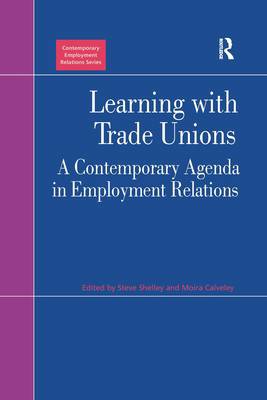
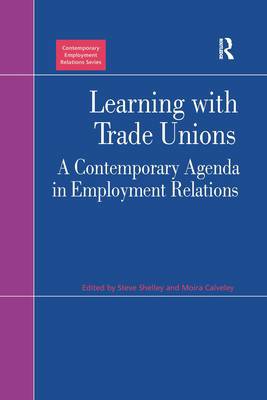
This edited collection provides an understanding of the range of learning that is enabled by trade unions, and the agendas around that learning. It comes at an important time as, in the UK, recent years have seen significant new opportunities for unions' involvement in the government's learning and skills policy. At the same time, trade unions have had to cope with declining membership and changing employment patterns, and thus have a keen interest in defining their role in contemporary employment relations and in pursuing strategies for union renewal. Therefore, in order to explore these dynamics, a strong feature of the book is its drawing together of informed, research-based contributions from the fields of training, skills and education, and of industrial relations. International and historical perspectives are included in order to better understand the contemporary issues. There are important conclusions for policy-makers, practitioners and researchers.
Specificaties
Betrokkenen
- Auteur(s):
- Uitgeverij:
Inhoud
- Aantal bladzijden:
- 274
- Taal:
- Engels
- Reeks:
Eigenschappen
- Productcode (EAN):
- 9781138262744
- Verschijningsdatum:
- 19/10/2016
- Uitvoering:
- Paperback
- Formaat:
- Trade paperback (VS)
- Afmetingen:
- 156 mm x 234 mm
- Gewicht:
- 390 g


Alleen bij Standaard Boekhandel
+ 210 punten op je klantenkaart van Standaard Boekhandel
SOLDEN


Beoordelingen
We publiceren alleen reviews die voldoen aan de voorwaarden voor reviews. Bekijk onze voorwaarden voor reviews.