



Je cadeautjes zeker op tijd in huis hebben voor de feestdagen? Kom langs in onze winkels en vind het perfecte geschenk!
- Afhalen na 1 uur in een winkel met voorraad
- Gratis thuislevering in België vanaf € 30
- Ruim aanbod met 7 miljoen producten
Je cadeautjes zeker op tijd in huis hebben voor de feestdagen? Kom langs in onze winkels en vind het perfecte geschenk!
- Afhalen na 1 uur in een winkel met voorraad
- Gratis thuislevering in België vanaf € 30
- Ruim aanbod met 7 miljoen producten





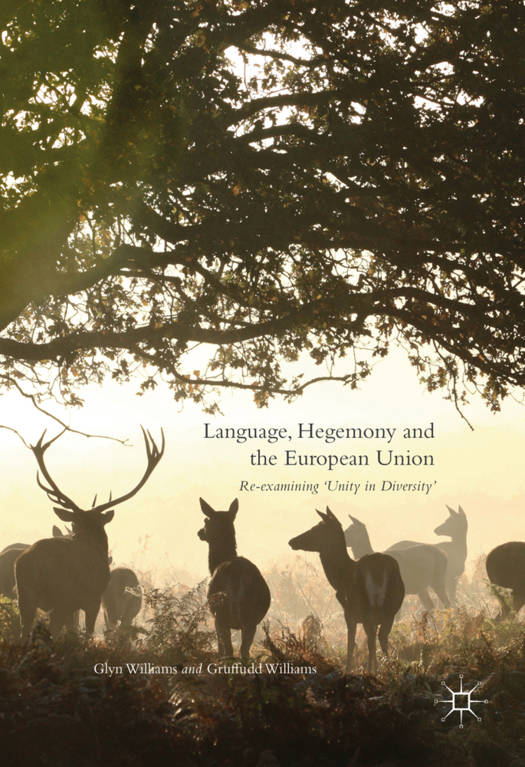
Language, Hegemony and the European Union
Re-Examining 'Unity in Diversity'
Glyn Williams, Gruffudd Williams
Hardcover | Engels
€ 83,95
+ 167 punten
Uitvoering
Omschrijving
This book critically examines the European Union's "Unity in Diversity" mantra with regard to language. It uses a theoretical framework based on hegemony both as a system and as a relationship. Operating within sociolinguistics, the book replaces the notion of ideology in poststructuralist thought with that of hegemony. The authors argue that forging unity across language communities contradicts the tenets of classical liberal theory. Global neo-liberalism influences this orthodoxy, shifting the parameters of power and political control. Over nine chapters, the authors cover topics such as globalization and social change, justice, governance and education. The book will be of interest to sociolinguists, political scientists, sociologists, as well as scholars of language and globalization and European studies.
Specificaties
Betrokkenen
- Auteur(s):
- Uitgeverij:
Inhoud
- Aantal bladzijden:
- 330
- Taal:
- Engels
Eigenschappen
- Productcode (EAN):
- 9783319334158
- Verschijningsdatum:
- 26/10/2016
- Uitvoering:
- Hardcover
- Formaat:
- Genaaid
- Afmetingen:
- 155 mm x 221 mm
- Gewicht:
- 544 g


Alleen bij Standaard Boekhandel
+ 167 punten op je klantenkaart van Standaard Boekhandel
CADEAU


Beoordelingen
We publiceren alleen reviews die voldoen aan de voorwaarden voor reviews. Bekijk onze voorwaarden voor reviews.