



Je cadeautjes zeker op tijd in huis hebben voor de feestdagen? Kom langs in onze winkels en vind het perfecte geschenk!
- Afhalen na 1 uur in een winkel met voorraad
- Gratis thuislevering in België vanaf € 30
- Ruim aanbod met 7 miljoen producten
Je cadeautjes zeker op tijd in huis hebben voor de feestdagen? Kom langs in onze winkels en vind het perfecte geschenk!
- Afhalen na 1 uur in een winkel met voorraad
- Gratis thuislevering in België vanaf € 30
- Ruim aanbod met 7 miljoen producten





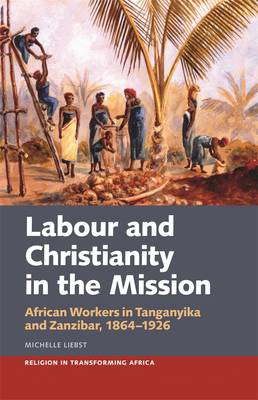
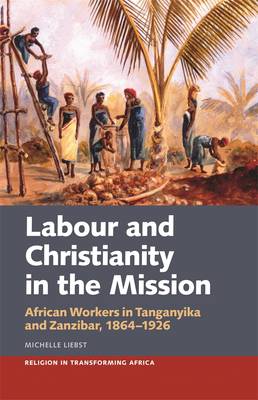
Labour & Christianity in the Mission
African Workers in Tanganyika and Zanzibar, 1864-1926
Michelle Liebst
€ 177,45
+ 354 punten
Uitvoering
Omschrijving
The important role missions played as places of work has been underexplored, yet missionaries were some of the earliest Europeans who tried to control African labour. African mission workers' roles were not just religious and educational, as they were actively involved, not always voluntarily, in building and domestic work. Focusing on the Anglican Universities' Mission to Central Africa (UMCA) in Tanganyika and Zanzibar in the late 19th and early 20th centuries, Michelle Liebst shows how missionaries both supported and undermined the livelihood trajectories of Africans. Revealing the changing nature of relations over time between missionaries - who referred to referred to themselves as "workers" - and the African mission workers, including teachers and priests - whom missionaries referred to as "helpers" - reflected broader political transformations, and this innovative study of missions' role in society adds a critical dimension to our understanding of their function and socio-economic impact and the history of Christianity in Africa.
Specificaties
Betrokkenen
- Auteur(s):
- Uitgeverij:
Inhoud
- Aantal bladzijden:
- 240
- Taal:
- Engels
- Reeks:
Eigenschappen
- Productcode (EAN):
- 9781847012753
- Verschijningsdatum:
- 15/10/2021
- Uitvoering:
- Hardcover
- Formaat:
- Genaaid
- Afmetingen:
- 155 mm x 239 mm
- Gewicht:
- 544 g


Alleen bij Standaard Boekhandel
+ 354 punten op je klantenkaart van Standaard Boekhandel
CADEAU


Beoordelingen
We publiceren alleen reviews die voldoen aan de voorwaarden voor reviews. Bekijk onze voorwaarden voor reviews.