



Bedankt voor het vertrouwen het afgelopen jaar! Om jou te bedanken bieden we GRATIS verzending (in België) aan op alles gedurende de hele maand januari.
- Afhalen na 1 uur in een winkel met voorraad
- In januari gratis thuislevering in België
- Ruim aanbod met 7 miljoen producten
Bedankt voor het vertrouwen het afgelopen jaar! Om jou te bedanken bieden we GRATIS verzending (in België) aan op alles gedurende de hele maand januari.
- Afhalen na 1 uur in een winkel met voorraad
- In januari gratis thuislevering in België
- Ruim aanbod met 7 miljoen producten





€ 167,95
+ 335 punten
Uitvoering
Omschrijving
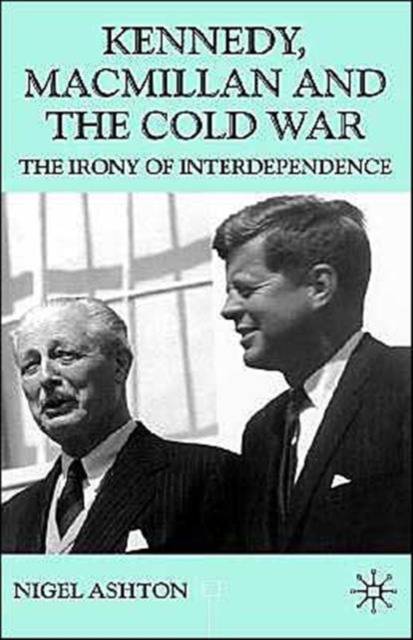
Nigel J. Ashton analyses Anglo-American relations during a crucial phase of the Cold War. He argues that although policy-makers on both sides of the Atlantic used the term 'interdependence' to describe their relationship this concept had different meanings in London and Washington. The Kennedy Administration sought more centralized control of the Western alliance, whereas the Macmillan Government envisaged an Anglo-American partnership. This gap in perception gave rise to a 'crisis of interdependence' during the winter of 1962-3, encompassing issues as diverse as the collapse of the British EEC application, the civil war in the Yemen, the denouement of the Congo crisis and the fate of the British independent nuclear deterrent.
Specificaties
Betrokkenen
- Auteur(s):
- Uitgeverij:
Inhoud
- Aantal bladzijden:
- 288
- Taal:
- Engels
- Reeks:
Eigenschappen
- Productcode (EAN):
- 9780333716052
- Verschijningsdatum:
- 18/09/2002
- Uitvoering:
- Hardcover
- Formaat:
- Genaaid
- Afmetingen:
- 159 mm x 212 mm
- Gewicht:
- 462 g


Alleen bij Standaard Boekhandel
+ 335 punten op je klantenkaart van Standaard Boekhandel
SOLDEN


Beoordelingen
We publiceren alleen reviews die voldoen aan de voorwaarden voor reviews. Bekijk onze voorwaarden voor reviews.