



Bedankt voor het vertrouwen het afgelopen jaar! Om jou te bedanken bieden we GRATIS verzending (in België) aan op alles gedurende de hele maand januari.
- Afhalen na 1 uur in een winkel met voorraad
- In januari gratis thuislevering in België
- Ruim aanbod met 7 miljoen producten
Bedankt voor het vertrouwen het afgelopen jaar! Om jou te bedanken bieden we GRATIS verzending (in België) aan op alles gedurende de hele maand januari.
- Afhalen na 1 uur in een winkel met voorraad
- In januari gratis thuislevering in België
- Ruim aanbod met 7 miljoen producten





€ 305,45
+ 610 punten
Uitvoering
Omschrijving
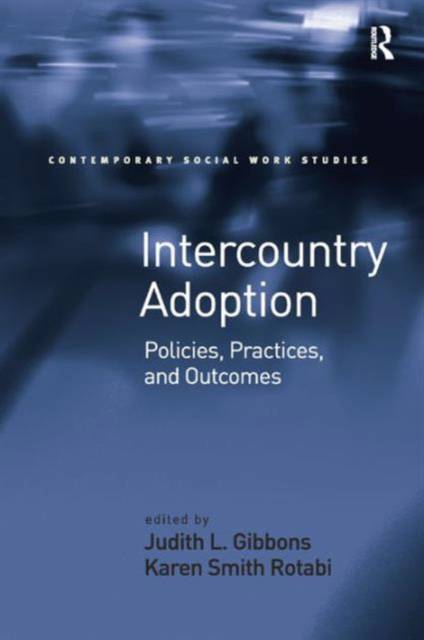
Intercountry adoption represents a significant component of international migration; in recent years, up to 45,000 children have crossed borders annually as part of the intercountry adoption boom. Proponents have touted intercountry adoption as a natural intervention for promoting child welfare. However, in cases of fraud and economic incentives, intercountry adoption has been denounced as child trafficking. The debate on intercountry adoption has been framed in terms of three perspectives: proponents who advocate intercountry adoption, abolitionists who argue for its elimination, and pragmatists who look for ways to improve both the conditions in sending countries and the procedures for intercountry transfer of children. Social workers play critical roles in intercountry adoption; they are often involved in family support services or child relinquishment in sending countries, and in evaluating potential adoptive homes, processing applications, and providing support for adoptive families in receiving countries; social workers are involved as brokers and policy makers with regard to the processes, procedures, and regulations that govern intercountry adoption. Their voice is essential in shaping practical and ethical policies of the future. Containing 25 chapters covering the following five areas: policy and regulations; sending country perspectives; outcomes for intercountry adoptees; debate between a proponent and an abolitionist; and pragmatists' guides for improving intercountry adoption practices, this book will be essential reading for social work practitioners and academics involved with intercountry adoption.
Specificaties
Betrokkenen
- Auteur(s):
- Uitgeverij:
Inhoud
- Aantal bladzijden:
- 416
- Taal:
- Engels
- Reeks:
Eigenschappen
- Productcode (EAN):
- 9781409410546
- Verschijningsdatum:
- 28/07/2012
- Uitvoering:
- Hardcover
- Formaat:
- Genaaid
- Afmetingen:
- 156 mm x 234 mm
- Gewicht:
- 757 g


Alleen bij Standaard Boekhandel
+ 610 punten op je klantenkaart van Standaard Boekhandel
SOLDEN


Beoordelingen
We publiceren alleen reviews die voldoen aan de voorwaarden voor reviews. Bekijk onze voorwaarden voor reviews.