



Je cadeautjes zeker op tijd in huis hebben voor de feestdagen? Kom langs in onze winkels en vind het perfecte geschenk!
- Afhalen na 1 uur in een winkel met voorraad
- Gratis thuislevering in België vanaf € 30
- Ruim aanbod met 7 miljoen producten
Je cadeautjes zeker op tijd in huis hebben voor de feestdagen? Kom langs in onze winkels en vind het perfecte geschenk!
- Afhalen na 1 uur in een winkel met voorraad
- Gratis thuislevering in België vanaf € 30
- Ruim aanbod met 7 miljoen producten





€ 83,95
+ 167 punten
Omschrijving
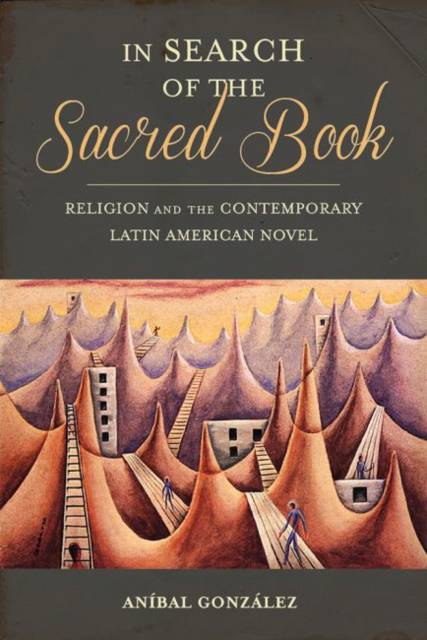
In Search of the Sacred Book studies the artistic incorporation of religious concepts such as prophecy, eternity, and the afterlife in the contemporary Latin American novel. It departs from sociopolitical readings by noting the continued relevance of religion in Latin American life and culture, despite modernity's powerful secularizing influence. Analyzing Jorge Luis Borges's secularized "narrative theology" in his essays and short stories, the book follows the development of the Latin American novel from the early twentieth century until today by examining the attempts of major novelists, from María Luisa Bombal, Alejo Carpentier, and Juan Rulfo, to Julio Cortázar, Gabriel García Márquez, and José Lezama Lima, to "sacralize" the novel by incorporating traits present in the sacred texts of many religions. It concludes with a view of the "desacralization" of the novel by more recent authors, from Elena Poniatowska and Fernando Vallejo to Roberto Bolaño.
Specificaties
Betrokkenen
- Auteur(s):
- Uitgeverij:
Inhoud
- Aantal bladzijden:
- 224
- Taal:
- Engels
- Reeks:
Eigenschappen
- Productcode (EAN):
- 9780822965046
- Verschijningsdatum:
- 12/04/2018
- Uitvoering:
- Paperback
- Formaat:
- Trade paperback (VS)
- Afmetingen:
- 152 mm x 226 mm
- Gewicht:
- 385 g


Alleen bij Standaard Boekhandel
+ 167 punten op je klantenkaart van Standaard Boekhandel
CADEAU


Beoordelingen
We publiceren alleen reviews die voldoen aan de voorwaarden voor reviews. Bekijk onze voorwaarden voor reviews.