



Je cadeautjes zeker op tijd in huis hebben voor de feestdagen? Kom langs in onze winkels en vind het perfecte geschenk!
- Afhalen na 1 uur in een winkel met voorraad
- Gratis thuislevering in België vanaf € 30
- Ruim aanbod met 7 miljoen producten
Je cadeautjes zeker op tijd in huis hebben voor de feestdagen? Kom langs in onze winkels en vind het perfecte geschenk!
- Afhalen na 1 uur in een winkel met voorraad
- Gratis thuislevering in België vanaf € 30
- Ruim aanbod met 7 miljoen producten





€ 83,45
+ 166 punten
Omschrijving
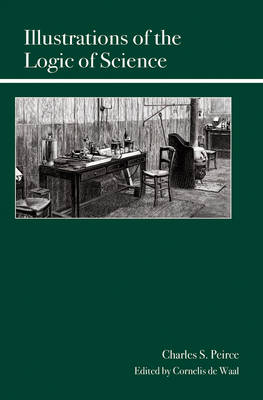
Charles S. Peirce's Illustrations of the Logic of Science is an early work in the philosophy of science and the official birthplace of pragmatism. It contains Peirce's two most influential papers: "The Fixation of Belief" and "How to Make Our Ideas Clear," as well as discussions on the theory of probability, the ground of induction, the relation between science and religion, and the logic of abduction. Unsatisfied with the result and driven by a constant, almost feverish urge to improve his work, Peirce spent considerable time and effort revising these papers. These efforts gained significant momentum after the turn of the century when Peirce sought to establish his role in the development of pragmatism while distancing himself from the more popular versions that had become current. The present edition brings together the original series as it appeared in Popular Science Monthly and a selection of Peirce's later revisions, many of which remained hidden in the mass of messy manuscripts that were left behind after his death in 1914.
Specificaties
Betrokkenen
- Auteur(s):
- Uitgeverij:
Inhoud
- Aantal bladzijden:
- 352
- Taal:
- Engels
Eigenschappen
- Productcode (EAN):
- 9780812698497
- Verschijningsdatum:
- 10/06/2014
- Uitvoering:
- Paperback
- Formaat:
- Trade paperback (VS)
- Afmetingen:
- 150 mm x 226 mm
- Gewicht:
- 362 g


Alleen bij Standaard Boekhandel
+ 166 punten op je klantenkaart van Standaard Boekhandel
CADEAU


Beoordelingen
We publiceren alleen reviews die voldoen aan de voorwaarden voor reviews. Bekijk onze voorwaarden voor reviews.