



Bedankt voor het vertrouwen het afgelopen jaar! Om jou te bedanken bieden we GRATIS verzending (in België) aan op alles gedurende de hele maand januari.
- Afhalen na 1 uur in een winkel met voorraad
- In januari gratis thuislevering in België
- Ruim aanbod met 7 miljoen producten
Bedankt voor het vertrouwen het afgelopen jaar! Om jou te bedanken bieden we GRATIS verzending (in België) aan op alles gedurende de hele maand januari.
- Afhalen na 1 uur in een winkel met voorraad
- In januari gratis thuislevering in België
- Ruim aanbod met 7 miljoen producten





€ 158,95
+ 317 punten
Omschrijving
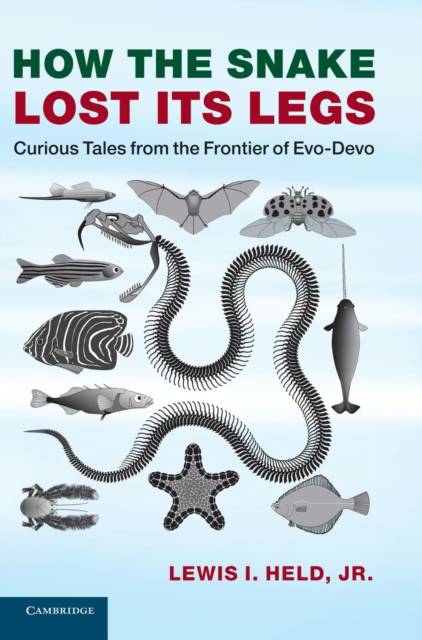
How did the zebra really get its stripes, and the giraffe its long neck? What is the science behind camel humps, leopard spots, and other animal oddities? Such questions have fascinated us for centuries, but the expanding field of evo-devo (evolutionary developmental biology) is now providing, for the first time, a wealth of insights and answers. Taking inspiration from Kipling's 'Just So Stories', this book weaves emerging insights from evo-devo into a narrative that provides startling explanations for the origin and evolution of traits across the animal kingdom. Held's unique and engaging style makes this narrative both enlightening and entertaining, guiding students and researchers through even complex concepts and encouraging a fuller understanding of the latest developments in the field. The first five chapters cover the first bilaterally symmetric animals, flies, butterflies, snakes, and cheetahs. A final chapter surveys recent results about a menagerie of other animals.
Specificaties
Betrokkenen
- Auteur(s):
- Uitgeverij:
Inhoud
- Aantal bladzijden:
- 306
- Taal:
- Engels
- Reeks:
Eigenschappen
- Productcode (EAN):
- 9781107030442
- Verschijningsdatum:
- 9/01/2014
- Uitvoering:
- Hardcover
- Formaat:
- Genaaid
- Afmetingen:
- 170 mm x 249 mm
- Gewicht:
- 748 g



Alleen bij Standaard Boekhandel
+ 317 punten op je klantenkaart van Standaard Boekhandel
SOLDEN


Beoordelingen
We publiceren alleen reviews die voldoen aan de voorwaarden voor reviews. Bekijk onze voorwaarden voor reviews.