



Bedankt voor het vertrouwen het afgelopen jaar! Om jou te bedanken bieden we GRATIS verzending (in België) aan op alles gedurende de hele maand januari.
- Afhalen na 1 uur in een winkel met voorraad
- In januari gratis thuislevering in België
- Ruim aanbod met 7 miljoen producten
Bedankt voor het vertrouwen het afgelopen jaar! Om jou te bedanken bieden we GRATIS verzending (in België) aan op alles gedurende de hele maand januari.
- Afhalen na 1 uur in een winkel met voorraad
- In januari gratis thuislevering in België
- Ruim aanbod met 7 miljoen producten





€ 53,45
+ 106 punten
Omschrijving
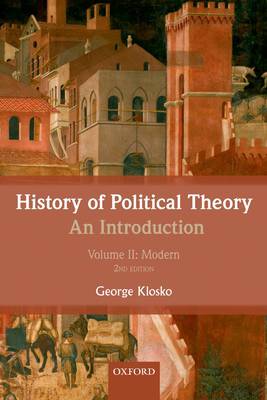
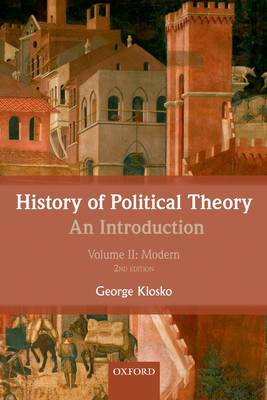
History of Political Theory: An Introduction not only explores the great works of Western political theory but demonstrates their continuing relevance. Volume II traces the origin and development of liberal political theory, and so the foundations for contemporary views. The work provides a readable, scholarly introduction to the great figures in Western political theory from Hobbes to Marx. Major theorists examined include Hobbes, Locke, Hume, Montesquieu, Rousseau, Burke, Mill, and Marx, not only major figures in the liberal tradition but liberal political theory's most important critics. Theorists are examined in their historical contexts, with extensive quotations allowing them to speak for themselves. Central concepts employed in their works are carefully examined, with special attention to both how they fit together to form coherent theories and how they bear on issues of contemporary concern. Major concepts examined include freedom, rights, political obligation, and revolution. Emphasizing depth rather than breadth, this work is an ideal introduction tool for instructors who have been searching for a text that combines careful exposition of important political theorists and clear, critical analysis.
Specificaties
Betrokkenen
- Auteur(s):
- Uitgeverij:
Inhoud
- Aantal bladzijden:
- 592
- Taal:
- Engels
Eigenschappen
- Productcode (EAN):
- 9780199695454
- Verschijningsdatum:
- 5/04/2013
- Uitvoering:
- Paperback
- Formaat:
- Trade paperback (VS)
- Afmetingen:
- 155 mm x 231 mm
- Gewicht:
- 861 g


Alleen bij Standaard Boekhandel
+ 106 punten op je klantenkaart van Standaard Boekhandel
SOLDEN


Beoordelingen
We publiceren alleen reviews die voldoen aan de voorwaarden voor reviews. Bekijk onze voorwaarden voor reviews.