



Je cadeautjes zeker op tijd in huis hebben voor de feestdagen? Kom langs in onze winkels en vind het perfecte geschenk!
- Afhalen na 1 uur in een winkel met voorraad
- Gratis thuislevering in België vanaf € 30
- Ruim aanbod met 7 miljoen producten
Je cadeautjes zeker op tijd in huis hebben voor de feestdagen? Kom langs in onze winkels en vind het perfecte geschenk!
- Afhalen na 1 uur in een winkel met voorraad
- Gratis thuislevering in België vanaf € 30
- Ruim aanbod met 7 miljoen producten





€ 195,45
+ 390 punten
Omschrijving
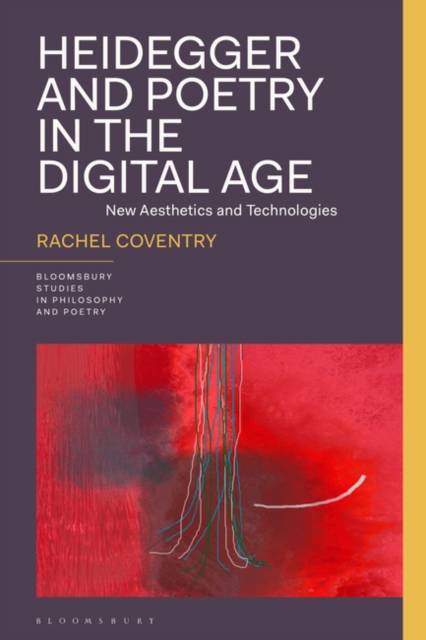
In this original study, Rachel Coventry expands Heidegger's philosophy of art to include his ontological account of poetry and technology. Following Heidegger's definition of technology as preventing authentic poetic language, alongside his argument that poetry can successfully confront technology, Coventry considers the possibility of great poetry in the digital age.
This approach takes us beyond conventional literary criticism, using different case studies from contemporary poetry including eco-poetry, digital poetry and post-internet poetry. Heidegger and Poetry in the DigitalAge asks provocative questions to progress the philosophical study of poetry, tracing new lines of thought in Heidegger studies and critical studies of contemporary poetry. Does the digital thwart the aim of eco-poetry? Do poetic movements that use modern technology provide us with a way to overcome the negative effects of technology? What are the ontological consequences of employing new formats for poetry? This book examines these tensions to provide a phenomenological account of digital poetry that grounds poetic metaphor in Heidegger's metaphysics.
This approach takes us beyond conventional literary criticism, using different case studies from contemporary poetry including eco-poetry, digital poetry and post-internet poetry. Heidegger and Poetry in the DigitalAge asks provocative questions to progress the philosophical study of poetry, tracing new lines of thought in Heidegger studies and critical studies of contemporary poetry. Does the digital thwart the aim of eco-poetry? Do poetic movements that use modern technology provide us with a way to overcome the negative effects of technology? What are the ontological consequences of employing new formats for poetry? This book examines these tensions to provide a phenomenological account of digital poetry that grounds poetic metaphor in Heidegger's metaphysics.
Specificaties
Betrokkenen
- Auteur(s):
- Uitgeverij:
Inhoud
- Aantal bladzijden:
- 240
- Taal:
- Engels
- Reeks:
Eigenschappen
- Productcode (EAN):
- 9781350347809
- Verschijningsdatum:
- 28/12/2023
- Uitvoering:
- Hardcover
- Formaat:
- Genaaid
- Afmetingen:
- 156 mm x 234 mm
- Gewicht:
- 508 g


Alleen bij Standaard Boekhandel
+ 390 punten op je klantenkaart van Standaard Boekhandel
CADEAU


Beoordelingen
We publiceren alleen reviews die voldoen aan de voorwaarden voor reviews. Bekijk onze voorwaarden voor reviews.