



Bedankt voor het vertrouwen het afgelopen jaar! Om jou te bedanken bieden we GRATIS verzending (in België) aan op alles gedurende de hele maand januari.
- Afhalen na 1 uur in een winkel met voorraad
- In januari gratis thuislevering in België
- Ruim aanbod met 7 miljoen producten
Bedankt voor het vertrouwen het afgelopen jaar! Om jou te bedanken bieden we GRATIS verzending (in België) aan op alles gedurende de hele maand januari.
- Afhalen na 1 uur in een winkel met voorraad
- In januari gratis thuislevering in België
- Ruim aanbod met 7 miljoen producten





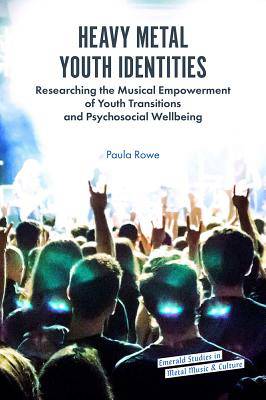
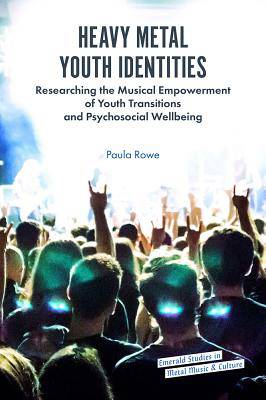
Heavy Metal Youth Identities
Researching the Musical Empowerment of Youth Transitions and Psychosocial Wellbeing
Paula Rowe
€ 178,95
+ 357 punten
Omschrijving
Heavy Metal Youth Identities critically examines the significance of heavy metal music and culture in the everyday lives of metal youth. Historically, young metal fans have been portrayed in popular and academic literature as delinquent, mentally unwell, demotivated, and destined for low-achieving futures and poor educational outcomes. So why would young people sign up for this? What's the specific appeal of metal, and why start embodying a metal identity that others can see and know? And is metal really such a problem for youth development, as some have speculated? To explore these questions, this book draws on narrative research with metal youth that invited them to reflect, in their own words, on the role of metal in their everyday lives. They share their early memories of forming a metal identity during high school years and ways that metal helped them cope with things like bullying, bereavement and challenging family circumstances. They also give us rare insight into ways that metal influenced (and even assisted) their transitions through education and career paths post-school. This book highlights ways that youth workers, educators and parents can work positively to support young people forming subcultural identities and capitalise on their unique strengths and skill-sets. As the globalisation of youth cultures continues to expand against the backdrop of a changing workforce, it is crucial that we learn how to better facilitate the preferred pathways of young people with interests that might be considered 'against the grain' by normative standards. This book takes us a step forward in that direction.
Specificaties
Betrokkenen
- Auteur(s):
- Uitgeverij:
Inhoud
- Aantal bladzijden:
- 192
- Taal:
- Engels
- Reeks:
Eigenschappen
- Productcode (EAN):
- 9781787568501
- Verschijningsdatum:
- 1/10/2018
- Uitvoering:
- Hardcover
- Formaat:
- Genaaid
- Afmetingen:
- 157 mm x 231 mm
- Gewicht:
- 399 g


Alleen bij Standaard Boekhandel
+ 357 punten op je klantenkaart van Standaard Boekhandel
SOLDEN


Beoordelingen
We publiceren alleen reviews die voldoen aan de voorwaarden voor reviews. Bekijk onze voorwaarden voor reviews.