



Je cadeautjes zeker op tijd in huis hebben voor de feestdagen? Kom langs in onze winkels en vind het perfecte geschenk!
- Afhalen na 1 uur in een winkel met voorraad
- Gratis thuislevering in België vanaf € 30
- Ruim aanbod met 7 miljoen producten
Je cadeautjes zeker op tijd in huis hebben voor de feestdagen? Kom langs in onze winkels en vind het perfecte geschenk!
- Afhalen na 1 uur in een winkel met voorraad
- Gratis thuislevering in België vanaf € 30
- Ruim aanbod met 7 miljoen producten





€ 76,45
+ 152 punten
Uitvoering
Omschrijving
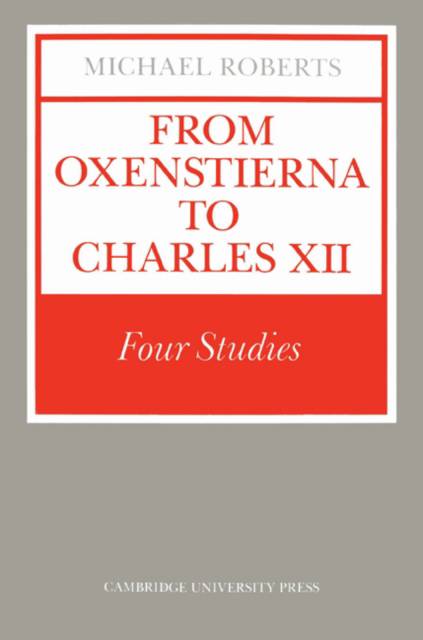
The spectacular career of Gustav Adolf by no means established Sweden as a great power. In the four years after his death such a development became increasingly improbable. At Westphalia in 1648 the improbable became a fact; but the momentum of Swedish imperial expansion did not culminate until 1658, when Charles X imposed peace upon a prostrate Denmark. The core of this volume of four essays, by the doyen of historians of Sweden, lies in the two studies of the man who bestrode the summit. One, an examination (if Charles X's domestic policies and constitutional significance; the other, a discussion of the objectives of his foreign policy. Both are matters of controversy, and these studies attempt to assess the debate. Flanking these essays are a study of Oxenstierna's magnificent failure in Germany between 1633 and 1636, and an examination of the great controversy surrounding the death of Charles XII.
Specificaties
Betrokkenen
- Auteur(s):
- Uitgeverij:
Inhoud
- Aantal bladzijden:
- 216
- Taal:
- Engels
Eigenschappen
- Productcode (EAN):
- 9780521528610
- Verschijningsdatum:
- 13/11/2003
- Uitvoering:
- Paperback
- Formaat:
- Trade paperback (VS)
- Afmetingen:
- 156 mm x 230 mm
- Gewicht:
- 326 g



Alleen bij Standaard Boekhandel
+ 152 punten op je klantenkaart van Standaard Boekhandel
CADEAU


Beoordelingen
We publiceren alleen reviews die voldoen aan de voorwaarden voor reviews. Bekijk onze voorwaarden voor reviews.