



Bedankt voor het vertrouwen het afgelopen jaar! Om jou te bedanken bieden we GRATIS verzending (in België) aan op alles gedurende de hele maand januari.
- Afhalen na 1 uur in een winkel met voorraad
- In januari gratis thuislevering in België
- Ruim aanbod met 7 miljoen producten
Bedankt voor het vertrouwen het afgelopen jaar! Om jou te bedanken bieden we GRATIS verzending (in België) aan op alles gedurende de hele maand januari.
- Afhalen na 1 uur in een winkel met voorraad
- In januari gratis thuislevering in België
- Ruim aanbod met 7 miljoen producten





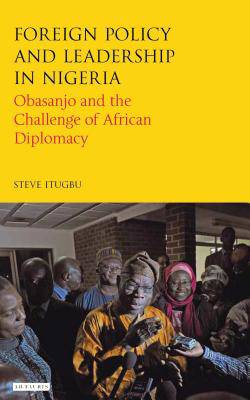
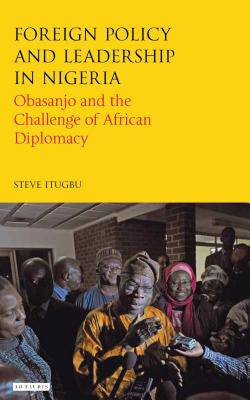
Foreign Policy and Leadership in Nigeria
Obasanjo and the Challenge of African Diplomacy
Steve Itugbu
€ 79,95
+ 159 punten
Omschrijving
Steve Itugbu, for many years a foreign policy aide to Obasanjo, draws on an extensive corpus of official documents, interviews, unpublished material and first-hand experience to explore the president's multi-faceted personality in depth. In so doing, Itugbu demonstrates that Nigeria's foreign policy has suffered through a combination of personalisation - that is subjugation to the will of Obasanjo - and the failings of bureaucratic structures. The book focuses specifically on Nigeria's decision not to intervene in Darfur in 2004, which is shown to be attributable to Obasanjo's politicking and inherent focus on shoring up his own position. Ultimately, an important opportunity for the African Union to set a precedent for humanitarian intervention was missed - a pattern which has since repeated itself across Africa. Such personalisation is common in the region, and the book therefore acts as a case study for better understanding the problems facing foreign policy making, diplomacy and leadership in Africa.
Throughout, Itugbu provides a reasoned and thorough analysis of the complex and interconnected issues facing Nigeria and Africa today, and the prospects of resolving these in the future. This behind-the-scenes account of the mechanics of Nigerian foreign policy is essential reading for all students, researchers and policy makers working on Africa.
Throughout, Itugbu provides a reasoned and thorough analysis of the complex and interconnected issues facing Nigeria and Africa today, and the prospects of resolving these in the future. This behind-the-scenes account of the mechanics of Nigerian foreign policy is essential reading for all students, researchers and policy makers working on Africa.
Specificaties
Betrokkenen
- Auteur(s):
- Uitgeverij:
Inhoud
- Aantal bladzijden:
- 288
- Taal:
- Engels
- Reeks:
Eigenschappen
- Productcode (EAN):
- 9780755601066
- Verschijningsdatum:
- 26/12/2019
- Uitvoering:
- Paperback
- Formaat:
- Trade paperback (VS)
- Afmetingen:
- 140 mm x 216 mm
- Gewicht:
- 335 g


Alleen bij Standaard Boekhandel
+ 159 punten op je klantenkaart van Standaard Boekhandel
SOLDEN


Beoordelingen
We publiceren alleen reviews die voldoen aan de voorwaarden voor reviews. Bekijk onze voorwaarden voor reviews.