



Bedankt voor het vertrouwen het afgelopen jaar! Om jou te bedanken bieden we GRATIS verzending (in België) aan op alles gedurende de hele maand januari.
- Afhalen na 1 uur in een winkel met voorraad
- In januari gratis thuislevering in België
- Ruim aanbod met 7 miljoen producten
Bedankt voor het vertrouwen het afgelopen jaar! Om jou te bedanken bieden we GRATIS verzending (in België) aan op alles gedurende de hele maand januari.
- Afhalen na 1 uur in een winkel met voorraad
- In januari gratis thuislevering in België
- Ruim aanbod met 7 miljoen producten





Omschrijving
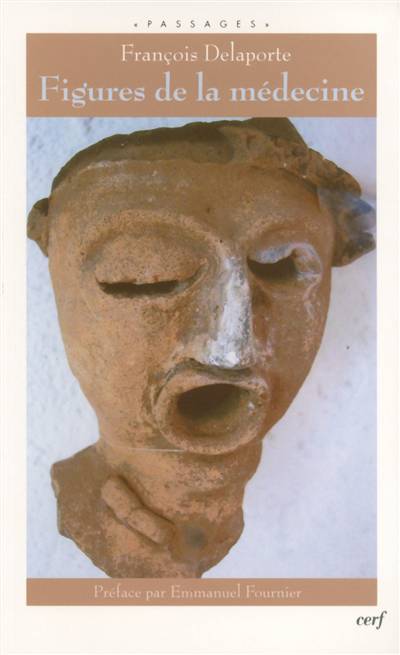
Quoi de commun entre l'histoire des débuts de la transfusion sanguine en Europe dans la seconde moitié du XVIIIe siècle et la découverte de moustiques vecteurs de parasites en Chine à la fin du XIXe siècle ? Entre la reconstitution d'un nez par lambeau cutané à Bologne à la fin du XVIe siècle et l'ouverture d'un kyste sébacé frontal au Guatemala en 1916 ? Ou entre l'examen d'un visage greffé à Amiens en 2005 et celui d'un faciès bouffi en Amérique du Sud dans les années 1930 ? Certainement pas ce que pourraient suggérer les premières analogies thématiques que l'on serait tenté de faire en rapprochant deux à deux les textes de « Figures de la médecine », mais c'est précisément du côté de cette critique de l'analogie qu'il faut chercher l'une des clés de l'unité de l'ouvrage. Des symétries, les six textes en ouvrent à profusion, et ils fourmillent d'exemples de ces pollinisations par lesquelles l'importation d'un concept ou d'une croyance dans un domaine étranger aide à y résoudre un problème. Mais appliquées aveuglément sans tenir compte des spécificités des lieux de recherche, les symétries et les analogies finissent toujours par poser plus de problèmes qu'elles n'en résolvent, et c'est avec ces problèmes induits que commence, à chaque histoire, ce qui fait le livre. Pour François Delaporte, chaque problème épistémologique comporte son mode de résolution propre et, s'il fallait trouver une unité à ces problèmes, c'est dans cette spécificité qu'il faudrait la chercher et non dans une méthode de résolution commune qu'ils pourraient abriter. Ce qui veut dire que la richesse des problèmes réside dans celle de leurs objets, mais aussi dans celle de la réalité et du lieu où ils se posent.
--
What is the common factor between the beginnings of blood transfusion in Europe in the second half of the 18th century and the discovery of germ-carrying mosquitoes in China at the end of the 19th? Or between the reconstitution of a nose using strips of skin in Bologna at the end of the 16th century and the piercing of a sebaceous cyst in Guatemala in 1916? Or yet again between the examination of face transplant in Amiens in 2005 and that of a bloated face in South America in the 1930s? The answer is certainly not what the first thematic analogies that come to our minds as we compare the texts of ‘Figures de la médecine' might suggest. Yet one of the keys to the unity of this book is to be found in the critique of analogy itself. The six texts offer a profusion of symmetrical situations, examples of cross-pollination through which a concept or a belief is imported from a foreign domain to help solve a problem. However, when applied blindly, without thought for specificities of place, symmetries and analogies always end up by posing more problems than they solve. Each story in this book begins with those problems. For François Delaporte, each epistemological problem contains its own specific mode of resolution, and if we can find a unity in these problems, it must be sought in that specificity, not in one method of resolution common to all of them which means that the wealth of problems resides in that of their objects, but also in the reality and place in which the problems arose.
--
What is the common factor between the beginnings of blood transfusion in Europe in the second half of the 18th century and the discovery of germ-carrying mosquitoes in China at the end of the 19th? Or between the reconstitution of a nose using strips of skin in Bologna at the end of the 16th century and the piercing of a sebaceous cyst in Guatemala in 1916? Or yet again between the examination of face transplant in Amiens in 2005 and that of a bloated face in South America in the 1930s? The answer is certainly not what the first thematic analogies that come to our minds as we compare the texts of ‘Figures de la médecine' might suggest. Yet one of the keys to the unity of this book is to be found in the critique of analogy itself. The six texts offer a profusion of symmetrical situations, examples of cross-pollination through which a concept or a belief is imported from a foreign domain to help solve a problem. However, when applied blindly, without thought for specificities of place, symmetries and analogies always end up by posing more problems than they solve. Each story in this book begins with those problems. For François Delaporte, each epistemological problem contains its own specific mode of resolution, and if we can find a unity in these problems, it must be sought in that specificity, not in one method of resolution common to all of them which means that the wealth of problems resides in that of their objects, but also in the reality and place in which the problems arose.
Specificaties
Betrokkenen
- Auteur(s):
- Uitgeverij:
Inhoud
- Aantal bladzijden:
- 185
- Taal:
- Frans
Eigenschappen
- Productcode (EAN):
- 9782204086370
- Verschijningsdatum:
- 1/10/2009
- Uitvoering:
- Paperback
- Afmetingen:
- 150 mm x 240 mm
- Gewicht:
- 390 g



Alleen bij Standaard Boekhandel
+ 58 punten op je klantenkaart van Standaard Boekhandel
SOLDEN


Beoordelingen
We publiceren alleen reviews die voldoen aan de voorwaarden voor reviews. Bekijk onze voorwaarden voor reviews.