



Je cadeautjes zeker op tijd in huis hebben voor de feestdagen? Kom langs in onze winkels en vind het perfecte geschenk!
- Afhalen na 1 uur in een winkel met voorraad
- Gratis thuislevering in België vanaf € 30
- Ruim aanbod met 7 miljoen producten
Je cadeautjes zeker op tijd in huis hebben voor de feestdagen? Kom langs in onze winkels en vind het perfecte geschenk!
- Afhalen na 1 uur in een winkel met voorraad
- Gratis thuislevering in België vanaf € 30
- Ruim aanbod met 7 miljoen producten





€ 24,45
+ 48 punten
Omschrijving
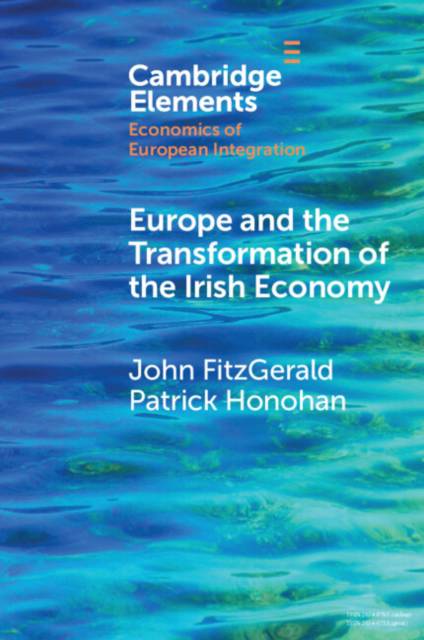
Having stagnated for decades in the shadow of the UK, the Irish economy's performance improved after it joined the European Union (EEC) in 1973. This Element shows how the challenge of EU membership gave focus and direction to Irish economic policy. No longer dependent on low value-added agricultural exports to Britain, within the EU Ireland became a hub for multinational corporations in IT and pharmaceutical products. This export success required and facilitated a strengthening of education and social policy infrastructures, and underpinned the achievement of high average living standards. EU membership has also brought challenges, and several severe setbacks have resulted from Irish policy mistakes. But the European flavour of Ireland's structural policies (leavened with exposure to US experience) has helped it navigate the hazards of hyper-globalization with fewer political tensions than seen elsewhere.
Specificaties
Betrokkenen
- Auteur(s):
- Uitgeverij:
Inhoud
- Aantal bladzijden:
- 92
- Taal:
- Engels
- Reeks:
Eigenschappen
- Productcode (EAN):
- 9781009306089
- Verschijningsdatum:
- 15/06/2023
- Uitvoering:
- Paperback
- Formaat:
- Trade paperback (VS)
- Afmetingen:
- 152 mm x 229 mm
- Gewicht:
- 136 g


Alleen bij Standaard Boekhandel
+ 48 punten op je klantenkaart van Standaard Boekhandel
CADEAU


Beoordelingen
We publiceren alleen reviews die voldoen aan de voorwaarden voor reviews. Bekijk onze voorwaarden voor reviews.