



Je cadeautjes zeker op tijd in huis hebben voor de feestdagen? Kom langs in onze winkels en vind het perfecte geschenk!
- Afhalen na 1 uur in een winkel met voorraad
- Gratis thuislevering in België vanaf € 30
- Ruim aanbod met 7 miljoen producten
Je cadeautjes zeker op tijd in huis hebben voor de feestdagen? Kom langs in onze winkels en vind het perfecte geschenk!
- Afhalen na 1 uur in een winkel met voorraad
- Gratis thuislevering in België vanaf € 30
- Ruim aanbod met 7 miljoen producten





€ 183,45
+ 366 punten
Uitvoering
Omschrijving
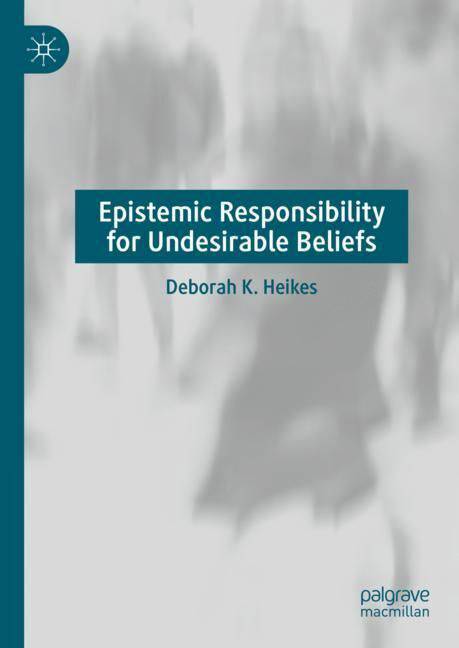
This book considers whether we can be epistemically responsible for undesirable beliefs, such as racist and sexist ones. The problem with holding people responsible for their undesirable beliefs is: first, what constitutes an "undesirable belief" will differ among various epistemic communities; second, it is not clear what responsibility we have for beliefs simpliciter; and third, inherent in discussions of socially constructed ignorance (like white ignorance) is the idea that society is structured in such a way that white people are made deliberately unaware of their ignorance, which suggests their racial beliefs are not epistemically blameworthy.
This book explores each of these topics with the aim of establishing the nature of undesirable beliefs and our responsibility for these beliefs with the understanding that there may well be (rare) occasions when undesirable beliefs are not epistemically culpable.
This book explores each of these topics with the aim of establishing the nature of undesirable beliefs and our responsibility for these beliefs with the understanding that there may well be (rare) occasions when undesirable beliefs are not epistemically culpable.
Specificaties
Betrokkenen
- Auteur(s):
- Uitgeverij:
Inhoud
- Aantal bladzijden:
- 233
- Taal:
- Engels
Eigenschappen
- Productcode (EAN):
- 9783031418570
- Verschijningsdatum:
- 22/09/2023
- Uitvoering:
- Hardcover
- Formaat:
- Genaaid
- Afmetingen:
- 148 mm x 210 mm
- Gewicht:
- 439 g



Alleen bij Standaard Boekhandel
+ 366 punten op je klantenkaart van Standaard Boekhandel
CADEAU


Beoordelingen
We publiceren alleen reviews die voldoen aan de voorwaarden voor reviews. Bekijk onze voorwaarden voor reviews.