



Je cadeautjes zeker op tijd in huis hebben voor de feestdagen? Kom langs in onze winkels en vind het perfecte geschenk!
- Afhalen na 1 uur in een winkel met voorraad
- Gratis thuislevering in België vanaf € 30
- Ruim aanbod met 7 miljoen producten
Je cadeautjes zeker op tijd in huis hebben voor de feestdagen? Kom langs in onze winkels en vind het perfecte geschenk!
- Afhalen na 1 uur in een winkel met voorraad
- Gratis thuislevering in België vanaf € 30
- Ruim aanbod met 7 miljoen producten





Omschrijving
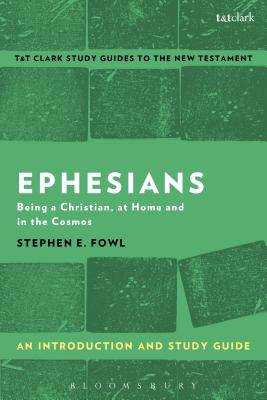
In this guide Stephen E. Fowl introduces students to both theological fruit and critical issues of the letter to the Ephesians.
On the theological front, Fowl shows how Ephesians offers an unparalleled cosmic vision of the significance of the death and resurrection of Jesus, of the role of heavenly powers in the universe, and of how the community of Christians is to engage with those powers. Fowl also opens up the major identity questions Ephesians shows existed for early Christians: how to conceive the relationship of Gentiles with the Jews from among whom their faith emerged, and how to live as a Christian within households ordered on patriarchal lines while not capitulating to patriarchy.
On the critical front, Fowl provides an introduction to the key critical questions and issues, such as whether this letter was actually written to a church in Ephesus, and whether Paul the apostle was indeed the author of the letter. Yet, whilst there are demanding linguistic, historical and cultural questions to be answered, Fowl is careful to point out that this should not be done at the expense of reading the text closely and appreciating its meaning and message.
On the theological front, Fowl shows how Ephesians offers an unparalleled cosmic vision of the significance of the death and resurrection of Jesus, of the role of heavenly powers in the universe, and of how the community of Christians is to engage with those powers. Fowl also opens up the major identity questions Ephesians shows existed for early Christians: how to conceive the relationship of Gentiles with the Jews from among whom their faith emerged, and how to live as a Christian within households ordered on patriarchal lines while not capitulating to patriarchy.
On the critical front, Fowl provides an introduction to the key critical questions and issues, such as whether this letter was actually written to a church in Ephesus, and whether Paul the apostle was indeed the author of the letter. Yet, whilst there are demanding linguistic, historical and cultural questions to be answered, Fowl is careful to point out that this should not be done at the expense of reading the text closely and appreciating its meaning and message.
Specificaties
Betrokkenen
- Auteur(s):
- Uitgeverij:
Inhoud
- Aantal bladzijden:
- 112
- Taal:
- Engels
- Reeks:
Eigenschappen
- Productcode (EAN):
- 9781350008663
- Verschijningsdatum:
- 12/01/2017
- Uitvoering:
- Paperback
- Formaat:
- Trade paperback (VS)
- Afmetingen:
- 155 mm x 231 mm
- Gewicht:
- 158 g


Alleen bij Standaard Boekhandel
+ 91 punten op je klantenkaart van Standaard Boekhandel
CADEAU


Beoordelingen
We publiceren alleen reviews die voldoen aan de voorwaarden voor reviews. Bekijk onze voorwaarden voor reviews.