



Je cadeautjes zeker op tijd in huis hebben voor de feestdagen? Kom langs in onze winkels en vind het perfecte geschenk!
- Afhalen na 1 uur in een winkel met voorraad
- Gratis thuislevering in België vanaf € 30
- Ruim aanbod met 7 miljoen producten
Je cadeautjes zeker op tijd in huis hebben voor de feestdagen? Kom langs in onze winkels en vind het perfecte geschenk!
- Afhalen na 1 uur in een winkel met voorraad
- Gratis thuislevering in België vanaf € 30
- Ruim aanbod met 7 miljoen producten





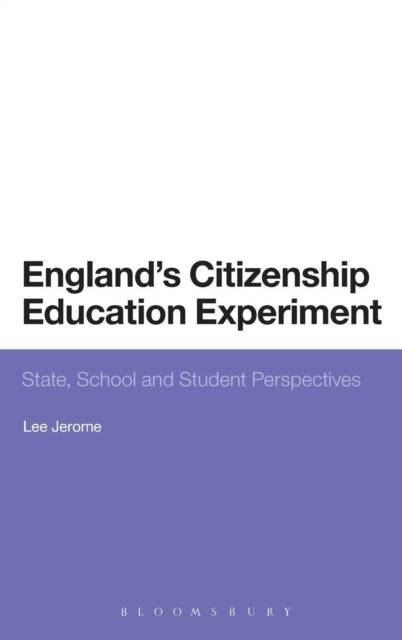
England's Citizenship Education Experiment
State, School and Student Perspectives
Lee Jerome
Hardcover | Engels
€ 322,45
+ 644 punten
Uitvoering
Omschrijving
How do we prepare young people to understand the complex problems confronting our society and their place as citizens in shaping solutions?
Until 1997, the contribution of schools to these challenges was ad hoc and uncoordinated, but with the introduction of citizenship education into the National Curriculum in England a new political project began. Between 2002 and 2012, England has become a leading player in the debate about how to induct young people into democracy. Jerome explores the connections between the values promoted by the government and the forms of citizenship promoted through the National Curriculum and considers:
What did the politicians want the policy to achieve?
What kinds of citizens were teachers trying to create?
What kind of citizens do the young people feel that they have become?
To answer these questions this book considers a range of evidence from large scale national and international research projects to single school case studies, conducted with student co-researchers. The study illustrates the complexity of policy making and reveals the gap between curriculum policy and implementation.
Until 1997, the contribution of schools to these challenges was ad hoc and uncoordinated, but with the introduction of citizenship education into the National Curriculum in England a new political project began. Between 2002 and 2012, England has become a leading player in the debate about how to induct young people into democracy. Jerome explores the connections between the values promoted by the government and the forms of citizenship promoted through the National Curriculum and considers:
What did the politicians want the policy to achieve?
What kinds of citizens were teachers trying to create?
What kind of citizens do the young people feel that they have become?
To answer these questions this book considers a range of evidence from large scale national and international research projects to single school case studies, conducted with student co-researchers. The study illustrates the complexity of policy making and reveals the gap between curriculum policy and implementation.
Specificaties
Betrokkenen
- Auteur(s):
- Uitgeverij:
Inhoud
- Aantal bladzijden:
- 208
- Taal:
- Engels
Eigenschappen
- Productcode (EAN):
- 9781441122247
- Verschijningsdatum:
- 6/12/2012
- Uitvoering:
- Hardcover
- Formaat:
- Genaaid
- Afmetingen:
- 155 mm x 241 mm
- Gewicht:
- 544 g


Alleen bij Standaard Boekhandel
+ 644 punten op je klantenkaart van Standaard Boekhandel
CADEAU


Beoordelingen
We publiceren alleen reviews die voldoen aan de voorwaarden voor reviews. Bekijk onze voorwaarden voor reviews.