



Je cadeautjes zeker op tijd in huis hebben voor de feestdagen? Kom langs in onze winkels en vind het perfecte geschenk!
- Afhalen na 1 uur in een winkel met voorraad
- Gratis thuislevering in België vanaf € 30
- Ruim aanbod met 7 miljoen producten
Je cadeautjes zeker op tijd in huis hebben voor de feestdagen? Kom langs in onze winkels en vind het perfecte geschenk!
- Afhalen na 1 uur in een winkel met voorraad
- Gratis thuislevering in België vanaf € 30
- Ruim aanbod met 7 miljoen producten





Omschrijving
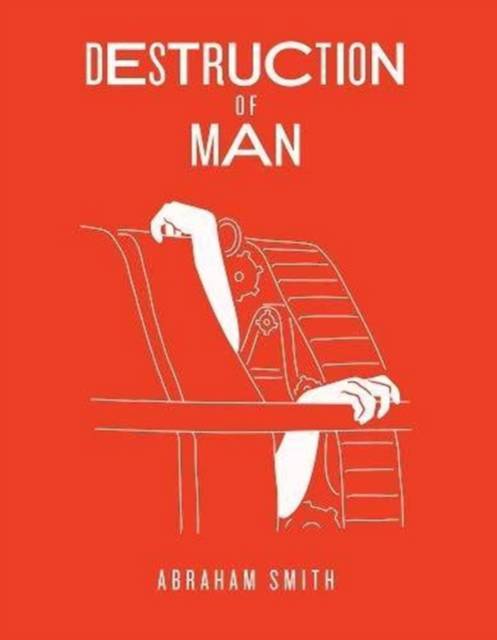
Some say Abraham Smith's live readings are the best in America, except it's more accurate to say he howls rather than reads. So, better to call his readings hollerings, which often times might take place next to a tree. Listen to his howl via the flexi-disc included in DESTRUCTION OF MAN. You will hear the postmodern pastoral incantatory prophesy told through colloquialism and a minding of song. Music has a scent and the song logic as this book meanders along that broken and disjointed road. Regional writing is a curse, it seems; but this book is unabashedly regional, in the sense that Smith sought to translate the stories of his native county--and thereby the fading gleam or echo of a dying agrarian lifeway. This is a book-length poem about small scale family farming in the midst of the get-big-or-get-out mantra and foghorn. More broadly, this is a book-length poem about culture history and masculinity and our rupturing and sometimes obliterating elisions with machines. The conclusions are clarion clear: rurality has its hectic musics and all we have is love. Gertrude Stein said the seed of DESTRUCTION OF MAN: "After all anybody is as their land and air is."
Specificaties
Betrokkenen
- Auteur(s):
- Uitgeverij:
Inhoud
- Aantal bladzijden:
- 95
- Taal:
- Engels
Eigenschappen
- Productcode (EAN):
- 9780997457810
- Verschijningsdatum:
- 3/04/2018
- Uitvoering:
- Paperback
- Formaat:
- Trade paperback (VS)
- Afmetingen:
- 188 mm x 226 mm
- Gewicht:
- 317 g



Alleen bij Standaard Boekhandel
+ 44 punten op je klantenkaart van Standaard Boekhandel
CADEAU


Beoordelingen
We publiceren alleen reviews die voldoen aan de voorwaarden voor reviews. Bekijk onze voorwaarden voor reviews.