



Bedankt voor het vertrouwen het afgelopen jaar! Om jou te bedanken bieden we GRATIS verzending (in België) aan op alles gedurende de hele maand januari.
- Afhalen na 1 uur in een winkel met voorraad
- In januari gratis thuislevering in België
- Ruim aanbod met 7 miljoen producten
Bedankt voor het vertrouwen het afgelopen jaar! Om jou te bedanken bieden we GRATIS verzending (in België) aan op alles gedurende de hele maand januari.
- Afhalen na 1 uur in een winkel met voorraad
- In januari gratis thuislevering in België
- Ruim aanbod met 7 miljoen producten





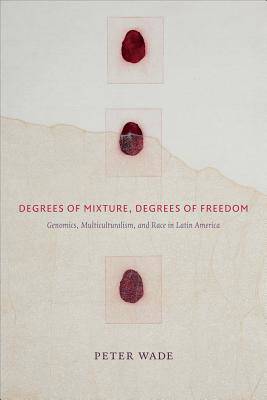
Degrees of Mixture, Degrees of Freedom
Genomics, Multiculturalism, and Race in Latin America
Peter Wade
Paperback | Engels
€ 53,45
+ 106 punten
Uitvoering
Omschrijving
Race mixture, or mestizaje, has played a critical role in the history, culture, and politics of Latin America. In Degrees of Mixture, Degrees of Freedom, Peter Wade draws on a multidisciplinary research study in Mexico, Brazil, and Colombia. He shows how Latin American elites and outside observers have emphasized mixture's democratizing potential, depicting it as a useful resource for addressing problems of racism (claiming that race mixture undoes racial difference and hierarchy), while Latin American scientists participate in this narrative with claims that genetic studies of mestizos can help isolate genetic contributors to diabetes and obesity and improve health for all. Wade argues that, in the process, genomics produces biologized versions of racialized difference within the nation and the region, but a comparative approach nuances the simple idea that highly racialized societies give rise to highly racialized genomics. Wade examines the tensions between mixture and purity, and between equality and hierarchy in liberal political orders, exploring how ideas and scientific data about genetic mixture are produced and circulate through complex networks.
Specificaties
Betrokkenen
- Auteur(s):
- Uitgeverij:
Inhoud
- Aantal bladzijden:
- 344
- Taal:
- Engels
Eigenschappen
- Productcode (EAN):
- 9780822363736
- Verschijningsdatum:
- 12/05/2017
- Uitvoering:
- Paperback
- Formaat:
- Trade paperback (VS)
- Afmetingen:
- 150 mm x 231 mm
- Gewicht:
- 453 g


Alleen bij Standaard Boekhandel
+ 106 punten op je klantenkaart van Standaard Boekhandel
SOLDEN


Beoordelingen
We publiceren alleen reviews die voldoen aan de voorwaarden voor reviews. Bekijk onze voorwaarden voor reviews.