



- Afhalen na 1 uur in een winkel met voorraad
- In januari gratis thuislevering in België
- Ruim aanbod met 7 miljoen producten
- Afhalen na 1 uur in een winkel met voorraad
- In januari gratis thuislevering in België
- Ruim aanbod met 7 miljoen producten





€ 217,95
+ 435 punten
Omschrijving
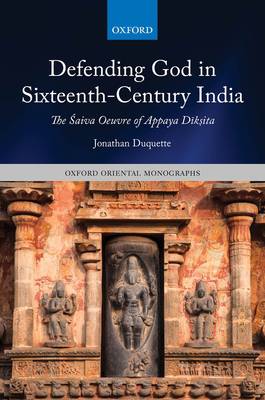
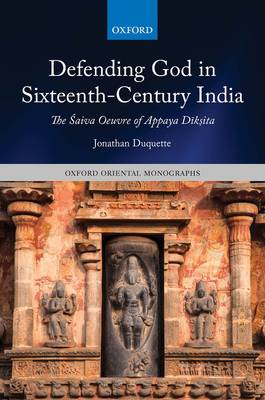
This book is the first in-depth study of the Śaiva oeuvre of the celebrated polymath Appaya Dīkṣita (1520-1593). Jonathan Duquette documents the rise to prominence and scholarly reception of Śivādvaita Vedānta, a Sanskrit-language school of philosophical theology which Appaya single-handedly
established, thus securing his reputation as a legendary advocate of Śaiva religion in early modern India. Based to a large extent on hitherto unstudied primary sources in Sanskrit, Duquette offers new insights on Appaya's early polemical works and main source of Śivādvaita exegesis, Śrīkaṇṭha's
Brahmamīmāmsābhāṣya; identifies Appaya's key intellectual influences and opponents in his reconstruction of Śrīkaṇṭha's theology; and highlights some of the key arguments and strategies he used to make his ambitious project a success. Centred on his magnum opus of Śivādvaita Vedānta, the
Śivārkamanidīpikā, this book demonstrates that Appaya's Śaiva oeuvre was mainly directed against Viśiṣtādvaita Vedānta, the dominant Vaiṣṇava school of philosophical theology in his time and place. A far-reaching study of the challenges of Indian theism, this book opens up new possibilities for our
understanding of religious debates and polemics in early modern India as seen through the lenses of one of its most important intellectuals.
established, thus securing his reputation as a legendary advocate of Śaiva religion in early modern India. Based to a large extent on hitherto unstudied primary sources in Sanskrit, Duquette offers new insights on Appaya's early polemical works and main source of Śivādvaita exegesis, Śrīkaṇṭha's
Brahmamīmāmsābhāṣya; identifies Appaya's key intellectual influences and opponents in his reconstruction of Śrīkaṇṭha's theology; and highlights some of the key arguments and strategies he used to make his ambitious project a success. Centred on his magnum opus of Śivādvaita Vedānta, the
Śivārkamanidīpikā, this book demonstrates that Appaya's Śaiva oeuvre was mainly directed against Viśiṣtādvaita Vedānta, the dominant Vaiṣṇava school of philosophical theology in his time and place. A far-reaching study of the challenges of Indian theism, this book opens up new possibilities for our
understanding of religious debates and polemics in early modern India as seen through the lenses of one of its most important intellectuals.
Specificaties
Betrokkenen
- Auteur(s):
- Uitgeverij:
Inhoud
- Aantal bladzijden:
- 292
- Taal:
- Engels
- Reeks:
Eigenschappen
- Productcode (EAN):
- 9780198870616
- Verschijningsdatum:
- 28/03/2021
- Uitvoering:
- Hardcover
- Formaat:
- Genaaid
- Afmetingen:
- 157 mm x 236 mm
- Gewicht:
- 612 g


Alleen bij Standaard Boekhandel
+ 435 punten op je klantenkaart van Standaard Boekhandel
Cadeau

AANGERADEN


Beoordelingen
We publiceren alleen reviews die voldoen aan de voorwaarden voor reviews. Bekijk onze voorwaarden voor reviews.