



Je cadeautjes zeker op tijd in huis hebben voor de feestdagen? Kom langs in onze winkels en vind het perfecte geschenk!
- Afhalen na 1 uur in een winkel met voorraad
- Gratis thuislevering in België vanaf € 30
- Ruim aanbod met 7 miljoen producten
Je cadeautjes zeker op tijd in huis hebben voor de feestdagen? Kom langs in onze winkels en vind het perfecte geschenk!
- Afhalen na 1 uur in een winkel met voorraad
- Gratis thuislevering in België vanaf € 30
- Ruim aanbod met 7 miljoen producten





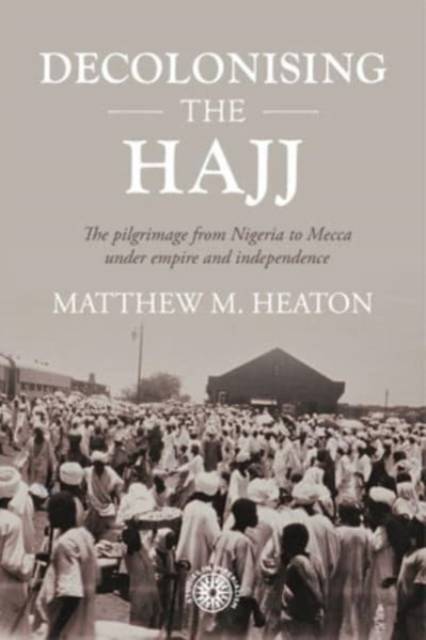
Decolonising the Hajj
The Pilgrimage from Nigeria to Mecca Under Empire and Independence
Matthew Heaton
€ 209,45
+ 418 punten
Omschrijving
Muslims from the region that is now Nigeria have been undertaking the Hajj for hundreds of years. But the process of completing the pilgrimage changed dramatically in the twentieth century as state governments became heavily involved in its organization and management. Under British colonial rule, a minimalist approach to pilgrimage control facilitated the journeys of many thousands of mostly overland pilgrims. Decolonization produced new political contexts, with nationalist politicians taking a more proactive approach to pilgrimage management for both domestic and international reasons. The Hajj, which had previously been a life-altering journey undertaken slowly and incrementally over years, became a shorter, safer, trip characterized by round trip plane rides. In examining the transformation of the Nigerian Hajj, this book demonstrates how the Hajj became ever more intertwined with Nigerian politics and governance as the country moved from empire to independence.
Specificaties
Betrokkenen
- Auteur(s):
- Uitgeverij:
Inhoud
- Aantal bladzijden:
- 248
- Taal:
- Engels
- Reeks:
- Reeksnummer:
- nr. 208
Eigenschappen
- Productcode (EAN):
- 9781526162601
- Verschijningsdatum:
- 23/05/2023
- Uitvoering:
- Hardcover
- Formaat:
- Genaaid
- Afmetingen:
- 156 mm x 234 mm
- Gewicht:
- 521 g



Alleen bij Standaard Boekhandel
+ 418 punten op je klantenkaart van Standaard Boekhandel
CADEAU


Beoordelingen
We publiceren alleen reviews die voldoen aan de voorwaarden voor reviews. Bekijk onze voorwaarden voor reviews.