



Je cadeautjes zeker op tijd in huis hebben voor de feestdagen? Kom langs in onze winkels en vind het perfecte geschenk!
- Afhalen na 1 uur in een winkel met voorraad
- Gratis thuislevering in België vanaf € 30
- Ruim aanbod met 7 miljoen producten
Je cadeautjes zeker op tijd in huis hebben voor de feestdagen? Kom langs in onze winkels en vind het perfecte geschenk!
- Afhalen na 1 uur in een winkel met voorraad
- Gratis thuislevering in België vanaf € 30
- Ruim aanbod met 7 miljoen producten





Omschrijving
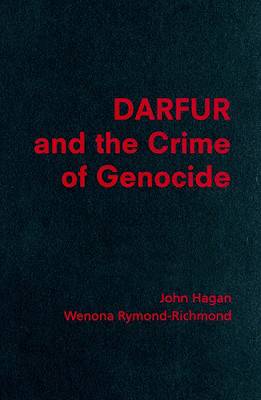
In 2004, the State Department gathered more than a thousand interviews from refugees in Chad that verified Colin Powell's U.N. and congressional testimonies about the Darfur genocide. The survey cost nearly a million dollars to conduct and yet it languished in the archives as the killing continued, claiming hundreds of thousands of murder and rape victims and restricting several million survivors to camps. This book for the first time fully examines that survey and its heartbreaking accounts. It documents the Sudanese government's enlistment of Arab Janjaweed militias in destroying black African communities. The central questions are: Why is the United States so ambivalent to genocide? Why do so many scholars deemphasize racial aspects of genocide? How can the science of criminology advance understanding and protection against genocide? This book gives a vivid firsthand account and voice to the survivors of genocide in Darfur.
Specificaties
Betrokkenen
- Auteur(s):
- Uitgeverij:
Inhoud
- Aantal bladzijden:
- 296
- Taal:
- Engels
- Reeks:
Eigenschappen
- Productcode (EAN):
- 9780521515672
- Verschijningsdatum:
- 13/10/2008
- Uitvoering:
- Hardcover
- Formaat:
- Genaaid
- Afmetingen:
- 155 mm x 235 mm
- Gewicht:
- 594 g


Alleen bij Standaard Boekhandel
+ 178 punten op je klantenkaart van Standaard Boekhandel
CADEAU


Beoordelingen
We publiceren alleen reviews die voldoen aan de voorwaarden voor reviews. Bekijk onze voorwaarden voor reviews.