



Je cadeautjes zeker op tijd in huis hebben voor de feestdagen? Kom langs in onze winkels en vind het perfecte geschenk!
- Afhalen na 1 uur in een winkel met voorraad
- Gratis thuislevering in België vanaf € 30
- Ruim aanbod met 7 miljoen producten
Je cadeautjes zeker op tijd in huis hebben voor de feestdagen? Kom langs in onze winkels en vind het perfecte geschenk!
- Afhalen na 1 uur in een winkel met voorraad
- Gratis thuislevering in België vanaf € 30
- Ruim aanbod met 7 miljoen producten





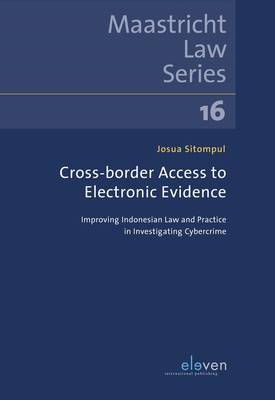
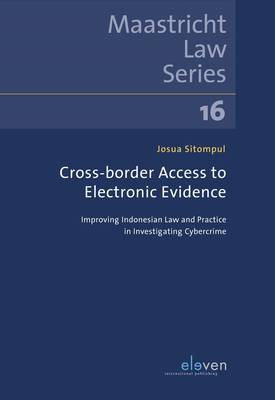
Cross-border Access to Electronic Evidence
Improving Indonesian Law and Practice in Investigating Cybercrime
Josua Sitompul
€ 89,50
+ 179 punten
Omschrijving
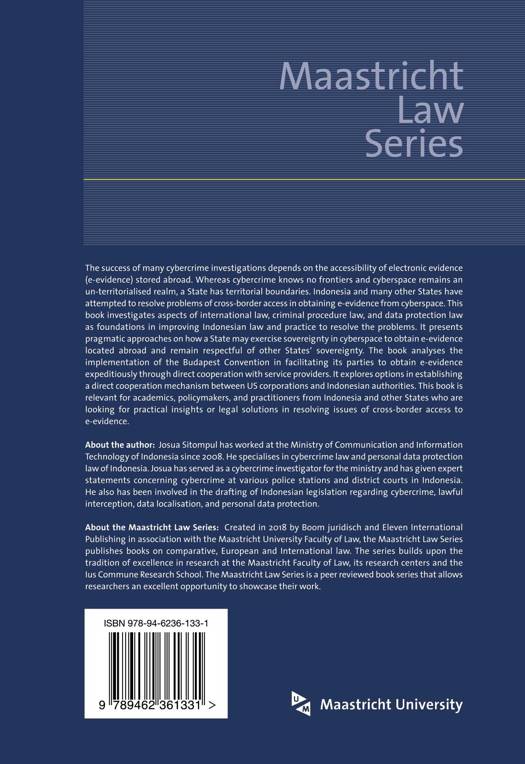
The success of many cybercrime investigations depends on the accessibility of electronic evidence (e-evidence) stored abroad. Whereas cybercrime knows no frontiers and cyberspace remains an un-territorialised realm, a State has territorial boundaries. Indonesia and many other States have attempted to resolve problems of cross-border access in obtaining e-evidence from cyberspace. This book investigates aspects of international law, criminal procedure law, and data protection law as foundations in improving Indonesian law and practice to resolve the problems. It presents pragmatic approaches on how a State may exercise sovereignty in cyberspace to obtain e-evidence located abroad and remain respectful of other States' sovereignty. The book analyses the implementation of the Budapest Convention in facilitating its parties to obtain e-evidence expeditiously through direct cooperation with service providers. It explores options in establishing a direct cooperation mechanism between US corporations and Indonesian authorities. This book is relevant for academics, policymakers, and practitioners from Indonesia and other States who are looking for practical insights or legal solutions in resolving issues of cross-border access to e-evidence.
Specificaties
Betrokkenen
- Auteur(s):
- Uitgeverij:
Inhoud
- Aantal bladzijden:
- 322
- Taal:
- Engels
- Reeks:
- Reeksnummer:
- nr. 16
Eigenschappen
- Productcode (EAN):
- 9789462361331
- Verschijningsdatum:
- 24/06/2020
- Uitvoering:
- Paperback
- Formaat:
- Trade paperback (VS)
- Afmetingen:
- 170 mm x 244 mm
- Gewicht:
- 516 g


Alleen bij Standaard Boekhandel
+ 179 punten op je klantenkaart van Standaard Boekhandel
CADEAU


Beoordelingen
We publiceren alleen reviews die voldoen aan de voorwaarden voor reviews. Bekijk onze voorwaarden voor reviews.