


- Afhalen na 1 uur in een winkel met voorraad
- Gratis thuislevering in België vanaf € 30
- Ruim aanbod met 7 miljoen producten
- Afhalen na 1 uur in een winkel met voorraad
- Gratis thuislevering in België vanaf € 30
- Ruim aanbod met 7 miljoen producten





€ 228,95
+ 457 punten
Omschrijving
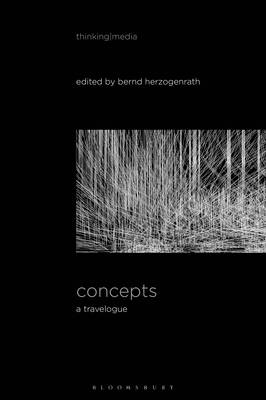
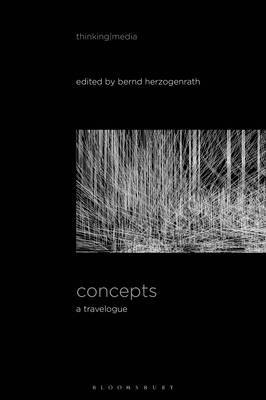
Concepts seem to work best when created in that interspace between theory and praxis, between philosophy, art, and science. Deleuze himself has generated many concepts in this encounter between philosophy and non-philosophy (art, literature, film, botany, etc): his ideas of affects and percepts, of becoming, the stutter, movement-image and time-image, the rhizome, to name but a few.
In the case of this volume, the "other" is the "other" to English language/culture (and its philosophy): what happens, if instead of "other disciplines," we take other cultures, other languages, other philosophies? Does not the focus on English as a hegemonic language of academic discourse deny us a plethora of possibilities, of possible Denkfiguren, of possible concepts? This collection is a kind of travelogue. The journey does not follow a particular trajectory-some countries are not on the map; some are visited twice. So, there is no claim to completeness involved here-it is rather an invitation to answer to the call ... there is much to explore!Specificaties
Betrokkenen
- Uitgeverij:
Inhoud
- Aantal bladzijden:
- 408
- Taal:
- Engels
- Reeks:
Eigenschappen
- Productcode (EAN):
- 9781501375330
- Verschijningsdatum:
- 29/12/2022
- Uitvoering:
- Hardcover
- Formaat:
- Genaaid
- Afmetingen:
- 140 mm x 216 mm
- Gewicht:
- 616 g

Alleen bij Standaard Boekhandel
+ 457 punten op je klantenkaart van Standaard Boekhandel
Cadeau

AANGERADEN


Beoordelingen
We publiceren alleen reviews die voldoen aan de voorwaarden voor reviews. Bekijk onze voorwaarden voor reviews.