



Bedankt voor het vertrouwen het afgelopen jaar! Om jou te bedanken bieden we GRATIS verzending (in België) aan op alles gedurende de hele maand januari.
- Afhalen na 1 uur in een winkel met voorraad
- In januari gratis thuislevering in België
- Ruim aanbod met 7 miljoen producten
Bedankt voor het vertrouwen het afgelopen jaar! Om jou te bedanken bieden we GRATIS verzending (in België) aan op alles gedurende de hele maand januari.
- Afhalen na 1 uur in een winkel met voorraad
- In januari gratis thuislevering in België
- Ruim aanbod met 7 miljoen producten





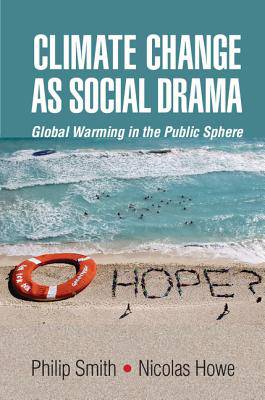
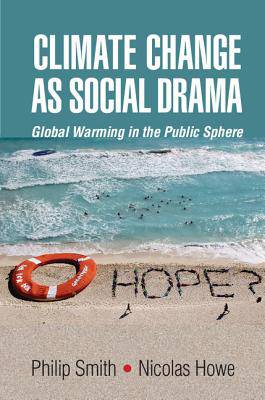
Climate Change as Social Drama
Global Warming in the Public Sphere
Philip Smith, Nicolas Howe
Paperback | Engels
€ 46,45
+ 92 punten
Uitvoering
Omschrijving
Climate change is not just a scientific fact, nor merely a social and political problem. It is also a set of stories and characters that amount to a social drama.This drama, as much as hard scientific or political realities, shapes perception of the problem. Drs. Smith and Howe use the perspective of cultural sociology and Aristotle's timeless theories about narrative and rhetoric to explore this meaningful and visible surface of climate change in the public sphere. Whereas most research wants to explain barriers to awareness, here we switch the agenda to look at the moments when global warming actually gets attention. Chapters consider struggles over apocalyptic scenarios, explain the success of Al Gore and An Inconvenient Truth, unpack the deeper social meanings of the climate conference and "Climategate," critique failed advertising campaigns and climate art, and question the much touted transformative potential of natural disasters such as Superstorm Sandy.
Specificaties
Betrokkenen
- Auteur(s):
- Uitgeverij:
Inhoud
- Aantal bladzijden:
- 249
- Taal:
- Engels
Eigenschappen
- Productcode (EAN):
- 9781107503052
- Verschijningsdatum:
- 5/05/2015
- Uitvoering:
- Paperback
- Formaat:
- Trade paperback (VS)
- Afmetingen:
- 150 mm x 226 mm
- Gewicht:
- 340 g


Alleen bij Standaard Boekhandel
+ 92 punten op je klantenkaart van Standaard Boekhandel
SOLDEN


Beoordelingen
We publiceren alleen reviews die voldoen aan de voorwaarden voor reviews. Bekijk onze voorwaarden voor reviews.