



Bedankt voor het vertrouwen het afgelopen jaar! Om jou te bedanken bieden we GRATIS verzending (in België) aan op alles gedurende de hele maand januari.
- Afhalen na 1 uur in een winkel met voorraad
- In januari gratis thuislevering in België
- Ruim aanbod met 7 miljoen producten
Bedankt voor het vertrouwen het afgelopen jaar! Om jou te bedanken bieden we GRATIS verzending (in België) aan op alles gedurende de hele maand januari.
- Afhalen na 1 uur in een winkel met voorraad
- In januari gratis thuislevering in België
- Ruim aanbod met 7 miljoen producten





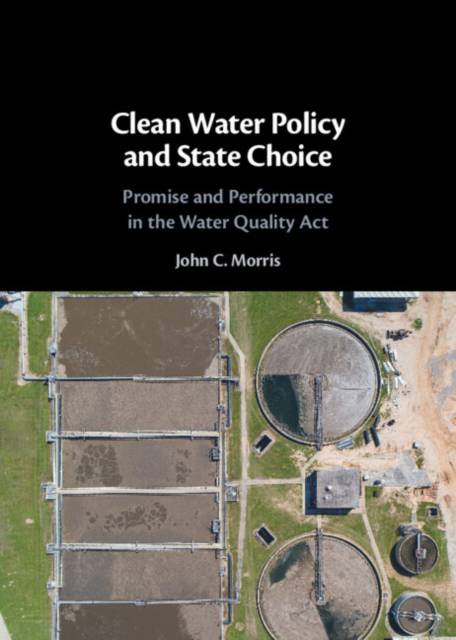
Clean Water Policy and State Choice
Promise and Performance in the Water Quality Act
John C Morris
Hardcover | Engels
€ 213,45
+ 426 punten
Omschrijving
The Water Quality Act of 1987 ushered in a new era of clean water policy to the US. The Act stands today as the longest-lived example of national water quality policy. It included a then-revolutionary funding model for wastewater infrastructure - the Clean Water State Revolving Fund - which gave states much greater authority to allocate clean water infrastructure resources. Significant differences between states exist in terms of their ability to provide adequate resources for the program, as well as their ability (or willingness) to meet the wishes of Congress to serve environmental needs and communities. This book examines the patterns of state program resource distribution using case studies and analysis of state and national program data. This book is important for researchers from a range of disciplines, including water, environmental and infrastructure policy, federalism/intergovernmental relations, intergovernmental administration, and natural resource management, as well as policy makers and policy advocates.
Specificaties
Betrokkenen
- Auteur(s):
- Uitgeverij:
Inhoud
- Aantal bladzijden:
- 298
- Taal:
- Engels
Eigenschappen
- Productcode (EAN):
- 9781108839129
- Verschijningsdatum:
- 17/03/2022
- Uitvoering:
- Hardcover
- Formaat:
- Genaaid
- Afmetingen:
- 170 mm x 244 mm
- Gewicht:
- 675 g


Alleen bij Standaard Boekhandel
+ 426 punten op je klantenkaart van Standaard Boekhandel
SOLDEN


Beoordelingen
We publiceren alleen reviews die voldoen aan de voorwaarden voor reviews. Bekijk onze voorwaarden voor reviews.