



Je cadeautjes zeker op tijd in huis hebben voor de feestdagen? Kom langs in onze winkels en vind het perfecte geschenk!
- Afhalen na 1 uur in een winkel met voorraad
- Gratis thuislevering in België vanaf € 30
- Ruim aanbod met 7 miljoen producten
Je cadeautjes zeker op tijd in huis hebben voor de feestdagen? Kom langs in onze winkels en vind het perfecte geschenk!
- Afhalen na 1 uur in een winkel met voorraad
- Gratis thuislevering in België vanaf € 30
- Ruim aanbod met 7 miljoen producten





€ 175,95
+ 351 punten
Uitvoering
Omschrijving
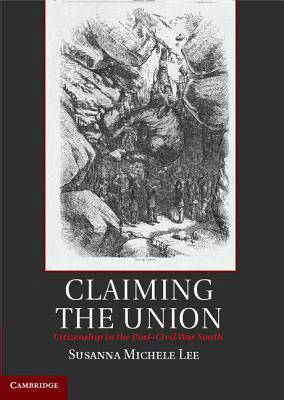
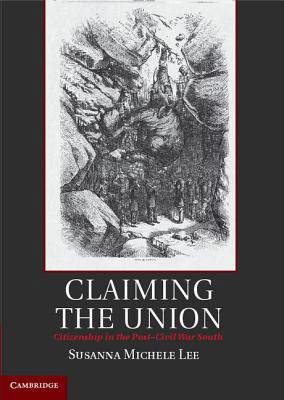
This book examines Southerners' claims to loyal citizenship in the reunited nation after the American Civil War. Southerners - male and female; elite and non-elite; white, black, and American Indian - disagreed with the federal government over the obligations citizens owed to their nation and the obligations the nation owed to its citizens. Susanna Michele Lee explores these clashes through the operations of the Southern Claims Commission, a federal body that rewarded compensation for wartime losses to Southerners who proved that they had been loyal citizens of the Union. Lee argues that Southerners forced the federal government to consider how white men who had not been soldiers and voters, and women and racial minorities who had not been allowed to serve in those capacities, could also qualify as loyal citizens. Postwar considerations of the former Confederacy potentially demanded a reconceptualization of citizenship that replaced exclusions by race and gender with inclusions according to loyalty.
Specificaties
Betrokkenen
- Auteur(s):
- Uitgeverij:
Inhoud
- Aantal bladzijden:
- 270
- Taal:
- Engels
- Reeks:
Eigenschappen
- Productcode (EAN):
- 9781107015326
- Verschijningsdatum:
- 14/04/2014
- Uitvoering:
- Hardcover
- Formaat:
- Genaaid
- Afmetingen:
- 150 mm x 231 mm
- Gewicht:
- 521 g


Alleen bij Standaard Boekhandel
+ 351 punten op je klantenkaart van Standaard Boekhandel
CADEAU


Beoordelingen
We publiceren alleen reviews die voldoen aan de voorwaarden voor reviews. Bekijk onze voorwaarden voor reviews.