



Je cadeautjes zeker op tijd in huis hebben voor de feestdagen? Kom langs in onze winkels en vind het perfecte geschenk!
- Afhalen na 1 uur in een winkel met voorraad
- Gratis thuislevering in België vanaf € 30
- Ruim aanbod met 7 miljoen producten
Je cadeautjes zeker op tijd in huis hebben voor de feestdagen? Kom langs in onze winkels en vind het perfecte geschenk!
- Afhalen na 1 uur in een winkel met voorraad
- Gratis thuislevering in België vanaf € 30
- Ruim aanbod met 7 miljoen producten





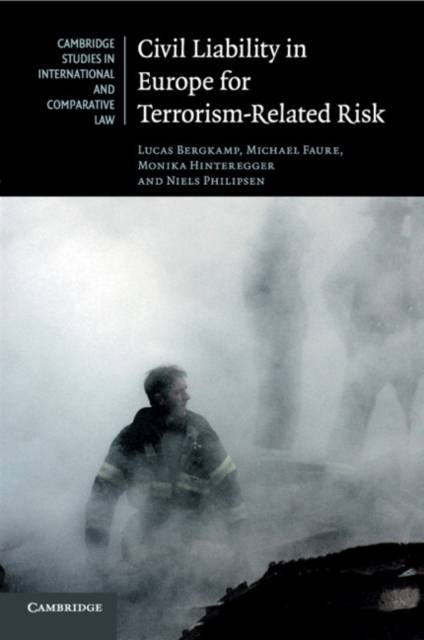
Civil Liability in Europe for Terrorism-Related Risk
Lucas Bergkamp, Michael Faure, Monika Hinteregger
€ 72,45
+ 144 punten
Uitvoering
Omschrijving
Today terrorism has become a world-wide phenomenon which does not stop at the European borders. Following the 9/11 attacks on the World Trade Centre and terrorist attacks in Paris, Madrid and London, concerns have arisen in Europe about potential liability exposure for terrorism-related damage. This book tackles the problem of civil liability for damage caused by terrorist acts from several angles. The authors expertly deliver a comprehensive analysis of terrorism-related risk under international and EU law, and the national tort law systems of seven representative EU Member States. They also provide a comparison of the situation in Europe to the liability environment in the United States. Risk mitigation strategies are considered and critically assessed, as are alternative systems for redressing terrorism-related risks. The book concludes with a reflection on the analysis and presents possible strategies for future regulation by the European lawmakers.
Specificaties
Betrokkenen
- Auteur(s):
- Uitgeverij:
Inhoud
- Aantal bladzijden:
- 402
- Taal:
- Engels
- Reeks:
- Reeksnummer:
- nr. 123
Eigenschappen
- Productcode (EAN):
- 9781107496552
- Verschijningsdatum:
- 13/12/2018
- Uitvoering:
- Paperback
- Formaat:
- Trade paperback (VS)
- Afmetingen:
- 152 mm x 229 mm
- Gewicht:
- 535 g



Alleen bij Standaard Boekhandel
+ 144 punten op je klantenkaart van Standaard Boekhandel
CADEAU


Beoordelingen
We publiceren alleen reviews die voldoen aan de voorwaarden voor reviews. Bekijk onze voorwaarden voor reviews.