



Bedankt voor het vertrouwen het afgelopen jaar! Om jou te bedanken bieden we GRATIS verzending (in België) aan op alles gedurende de hele maand januari.
- Afhalen na 1 uur in een winkel met voorraad
- Gratis thuislevering in België vanaf € 30
- Ruim aanbod met 7 miljoen producten
Bedankt voor het vertrouwen het afgelopen jaar! Om jou te bedanken bieden we GRATIS verzending (in België) aan op alles gedurende de hele maand januari.
- Afhalen na 1 uur in een winkel met voorraad
- Gratis thuislevering in België vanaf € 30
- Ruim aanbod met 7 miljoen producten





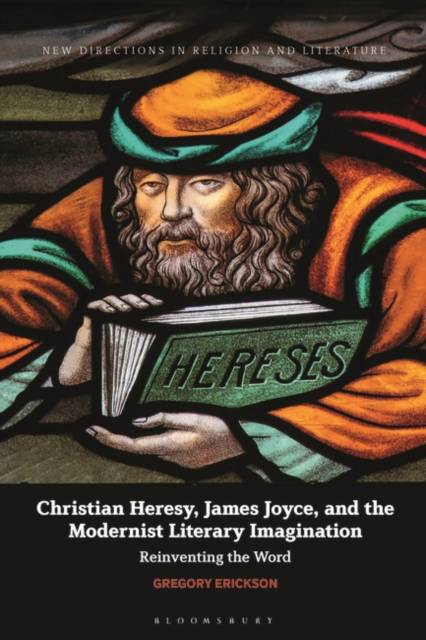
Christian Heresy, James Joyce, and the Modernist Literary Imagination
Reinventing the Word
Gregory Erickson
€ 203,95
+ 407 punten
Uitvoering
Omschrijving
Organized by heretical movements and texts from the Gnostic Gospels to The Book of Mormon, this book uses the work of James Joyce - particularly Ulyssesand Finnegan's Wake- as a prism to explore how the history of Christian heresy remains part of how we read, write, and think about books today.
Erickson argues that the study of classical, medieval, and modern debates over heresy and orthodoxy provide new ways of understanding modernist literature and literary theory. Using Joyce's works as a springboard to explore different perspectives and intersections of 20th century literature and the modern literary and religious imagination, this book gives us new insights into how our modern and "secular" reading practices unintentionally reflect how we understand our religious histories.
Erickson argues that the study of classical, medieval, and modern debates over heresy and orthodoxy provide new ways of understanding modernist literature and literary theory. Using Joyce's works as a springboard to explore different perspectives and intersections of 20th century literature and the modern literary and religious imagination, this book gives us new insights into how our modern and "secular" reading practices unintentionally reflect how we understand our religious histories.
Specificaties
Betrokkenen
- Auteur(s):
- Uitgeverij:
Inhoud
- Aantal bladzijden:
- 240
- Taal:
- Engels
- Reeks:
Eigenschappen
- Productcode (EAN):
- 9781350212756
- Verschijningsdatum:
- 10/03/2022
- Uitvoering:
- Hardcover
- Formaat:
- Genaaid
- Afmetingen:
- 156 mm x 234 mm
- Gewicht:
- 512 g


Alleen bij Standaard Boekhandel
+ 407 punten op je klantenkaart van Standaard Boekhandel
CADEAU


Beoordelingen
We publiceren alleen reviews die voldoen aan de voorwaarden voor reviews. Bekijk onze voorwaarden voor reviews.