



Je cadeautjes zeker op tijd in huis hebben voor de feestdagen? Kom langs in onze winkels en vind het perfecte geschenk!
- Afhalen na 1 uur in een winkel met voorraad
- Gratis thuislevering in België vanaf € 30
- Ruim aanbod met 7 miljoen producten
Je cadeautjes zeker op tijd in huis hebben voor de feestdagen? Kom langs in onze winkels en vind het perfecte geschenk!
- Afhalen na 1 uur in een winkel met voorraad
- Gratis thuislevering in België vanaf € 30
- Ruim aanbod met 7 miljoen producten





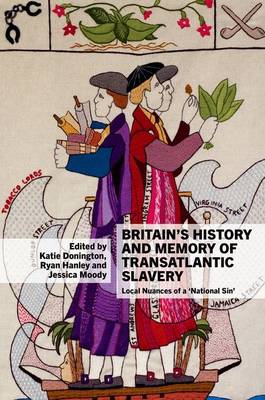
Britain's History and Memory of Transatlantic Slavery
Local Nuances of a 'National Sin'
€ 118,95
+ 237 punten
Omschrijving
Transatlantic slavery, just like the abolition movements, affected every space and community in Britain, from Cornwall to the Clyde, from dockyard alehouses to country estates. Today, its financial, architectural and societal legacies remain, scattered across the country in museums and memorials, philanthropic institutions and civic buildings, empty spaces and unmarked graves. Just as they did in the eighteenth and nineteenth centuries, British people continue to make sense of this 'national sin' by looking close to home, drawing on local histories and myths to negotiate their relationship to the distant horrors of the 'Middle Passage', and the Caribbean plantation. For the first time, this collection brings together localised case studies of Britain's history and memory of its involvement in the transatlantic slave trade, and slavery. These essays, ranging in focus from eighteenth-century Liverpool to twenty-first-century rural Cambridgeshire, from racist ideologues to Methodist preachers, examine how transatlantic slavery impacted on, and continues to impact, people and places across Britain.
Specificaties
Betrokkenen
- Uitgeverij:
Inhoud
- Aantal bladzijden:
- 285
- Taal:
- Engels
- Reeks:
- Reeksnummer:
- nr. 11
Eigenschappen
- Productcode (EAN):
- 9781781382776
- Verschijningsdatum:
- 27/10/2016
- Uitvoering:
- Hardcover
- Formaat:
- Genaaid
- Afmetingen:
- 157 mm x 236 mm
- Gewicht:
- 566 g


Alleen bij Standaard Boekhandel
+ 237 punten op je klantenkaart van Standaard Boekhandel
CADEAU


Beoordelingen
We publiceren alleen reviews die voldoen aan de voorwaarden voor reviews. Bekijk onze voorwaarden voor reviews.