Standaard Boekhandel gebruikt cookies en gelijkaardige technologieën om de website goed te laten werken en je een betere surfervaring te bezorgen.
Hieronder kan je kiezen welke cookies je wilt inschakelen:
Technische en functionele cookies
Deze cookies zijn essentieel om de website goed te laten functioneren, en laten je toe om bijvoorbeeld in te loggen. Je kan deze cookies niet uitschakelen.
Analytische cookies
Deze cookies verzamelen anonieme informatie over het gebruik van onze website. Op die manier kunnen we de website beter afstemmen op de behoeften van de gebruikers.
Marketingcookies
Deze cookies delen je gedrag op onze website met externe partijen, zodat je op externe platformen relevantere advertenties van Standaard Boekhandel te zien krijgt.
Bedankt voor het vertrouwen het afgelopen jaar! Om jou te bedanken bieden we GRATIS verzending (in België) aan op alles gedurende de hele maand januari.
Afhalen na 1 uur in een winkel met voorraad
In januari gratis thuislevering in België
Ruim aanbod met 7 miljoen producten
Bedankt voor het vertrouwen het afgelopen jaar! Om jou te bedanken bieden we GRATIS verzending (in België) aan op alles gedurende de hele maand januari.
Je kan maximaal 250 producten tegelijk aan je winkelmandje toevoegen. Verwijdere enkele producten uit je winkelmandje, of splits je bestelling op in meerdere bestellingen.
In januari gratis thuislevering in België (via bpost)
Gratis levering in je Standaard Boekhandel
Omschrijving
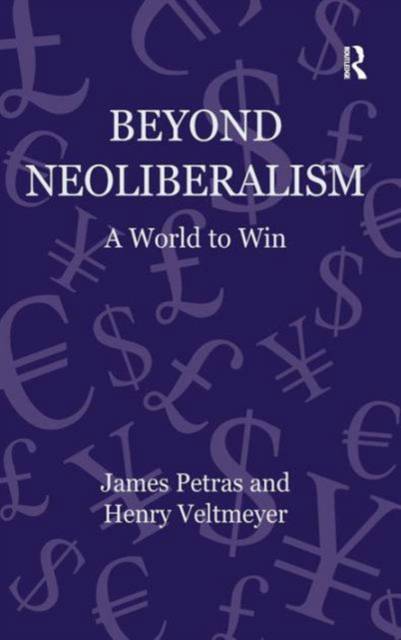
The world is at the crossroads of social change, in the vortex of forces that are bringing about a different world, a post-neoliberal state. This groundbreaking book lays out an analysis of the dynamics and contradictions of capitalism in the twenty-first century. These dynamics of forces are traced out in developments across the world - in the Arab Spring of North Africa and the Middle East, in Cuba and elsewhere in Latin America, in the United States, and in Asia. The forces released by a system in crisis can be mobilized in different ways and directions. The focus of the book is on the strategic responses to the systemic crisis. As the authors tell it, these dynamics concern three worldviews and strategic responses. The Davos Consensus focuses on the virtues of the free market and deregulated capitalism as it represents the interests of the global ruling class. The post-Washington Consensus concerns the need to give capital a human face and establish a more inclusive form of development and global governance. In addition to these two visions of the future and projects, the authors identify an emerging radical consensus on the need to move beyond capitalism as well as neoliberalism.