



Bedankt voor het vertrouwen het afgelopen jaar! Om jou te bedanken bieden we GRATIS verzending (in België) aan op alles gedurende de hele maand januari.
- Afhalen na 1 uur in een winkel met voorraad
- Gratis thuislevering in België vanaf € 30
- Ruim aanbod met 7 miljoen producten
Bedankt voor het vertrouwen het afgelopen jaar! Om jou te bedanken bieden we GRATIS verzending (in België) aan op alles gedurende de hele maand januari.
- Afhalen na 1 uur in een winkel met voorraad
- Gratis thuislevering in België vanaf € 30
- Ruim aanbod met 7 miljoen producten





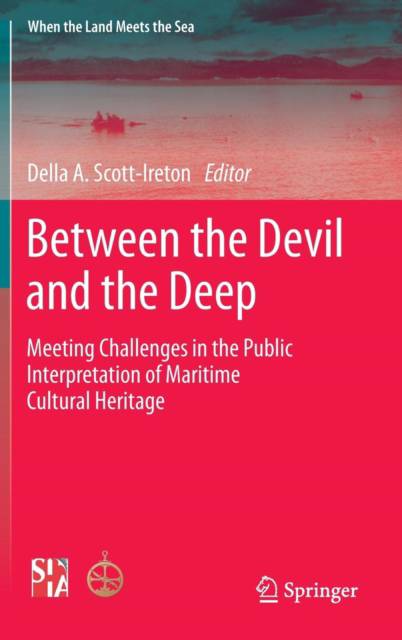
Between the Devil and the Deep
Meeting Challenges in the Public Interpretation of Maritime Cultural Heritage
€ 104,95
+ 209 punten
Omschrijving
In creating interpretive strategies for maritime sites, archaeologists and resource managers often are required to think creatively to overcome challenges and problems. These issues include interpreting sites in inaccessible locations and extremely deep water, enabling and controlling access to fragile sites and restricted areas, monitoring visitor behavior, making information interesting to a wide audience, and creating opportunities for public engagement, among other concerns. Meeting Challenges presents cutting-edge interpretation and public education strategies for maritime resources, both on land and underwater, with emphasis on solving the unique problems often associated with presenting these fragile, limited-access sites as heritage attractions and on developing effective visitation and civic engagement opportunities. The examples presented ideally can serve as models for resource managers, archaeologists engaged in interpretation, and site administrators. This volume brings together a diverse group of heritage professionals to discuss issues they've encountered and to present ideas and case studies for adapting, improvising, and overcoming them.
Specificaties
Betrokkenen
- Uitgeverij:
Inhoud
- Aantal bladzijden:
- 214
- Taal:
- Engels
- Reeks:
- Reeksnummer:
- nr. 5
Eigenschappen
- Productcode (EAN):
- 9781461481775
- Verschijningsdatum:
- 22/08/2013
- Uitvoering:
- Hardcover
- Formaat:
- Genaaid
- Afmetingen:
- 160 mm x 234 mm
- Gewicht:
- 458 g

Alleen bij Standaard Boekhandel
+ 209 punten op je klantenkaart van Standaard Boekhandel
CADEAU


Beoordelingen
We publiceren alleen reviews die voldoen aan de voorwaarden voor reviews. Bekijk onze voorwaarden voor reviews.